

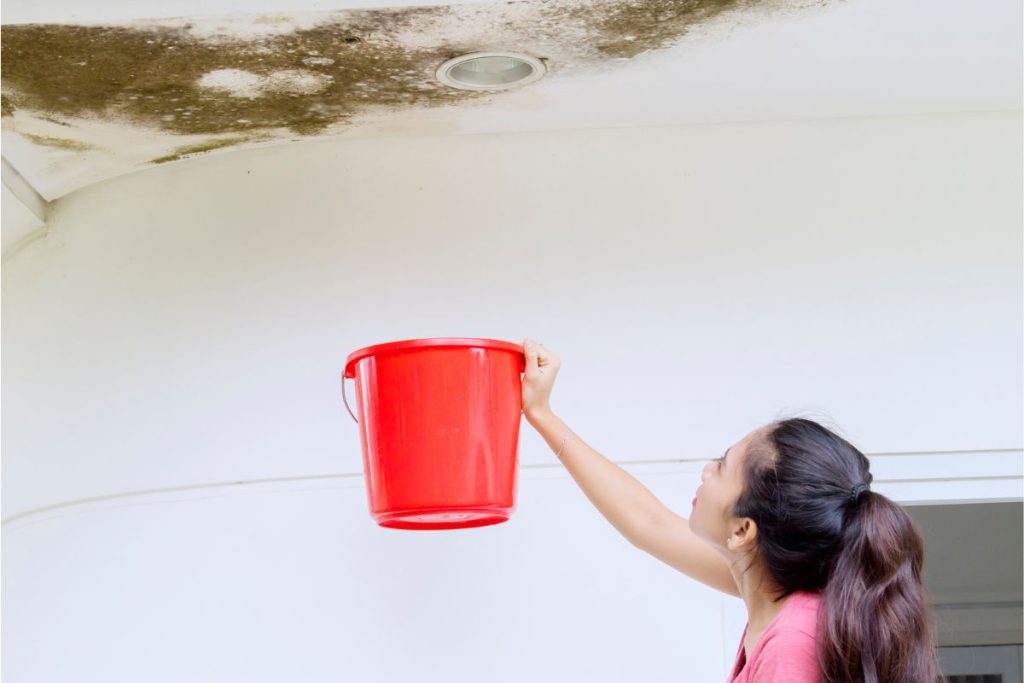
A water stain spreads across the ceiling, then a slow drip starts, and the first question is always the same: who do I call? The answer depends on your property type and where the water is coming from. For most leaks the person who actually fixes the problem is a waterproofing or leak specialist, but you may need to sort out responsibility with your town council, MCST, or the unit above before any repair begins. This guide walks through the right contact for condo, and landed homes, what to do in the first hour, and how to pick a contractor who diagnoses the leak properly before quoting.
Quick answer: who to call first
Call a waterproofing or leak specialist to inspect and fix the leak, but first check who is responsible for the area where the water comes from. The specialist finds the source and stops it. The responsibility check decides who pays and whether you need permission to access another unit or a common area.
If you live in an flat and the water drips from the floor slab of the unit above, the leak sits in shared territory with a set process to follow. In a condo, the split runs between your own unit and common property managed by the MCST. In a landed home you own the whole structure, so you call a contractor directly. The sections below break down each case. For the background on what causes these leaks, read our guide on why your ceiling is leaking in the first place before you book anyone.
First steps before you call
Five minutes of prep makes the call more useful and protects you if the leak turns into a dispute. Do these before you dial.
- Take clear photos and a short video. Capture the stain, the drip, and any bubbling paint, with the date visible if your phone shows it. This record matters if you later need the unit above, the town council, the MCST, or an insurer to act.
- Contain the water. Put a bucket or basin under the drip, lay down towels, and move furniture and electronics clear. If water is near a light fitting or power point, switch off that circuit at the distribution board.
- Check the unit directly above you. Most ceiling leaks come from the floor above, not the roof, especially in condo blocks. A wet toilet floor, a leaking bathroom, or a burst pipe upstairs is the usual cause.
- Note when it happens. A drip that only appears after the neighbour showers points to a plumbing or floor waterproofing problem. A drip that worsens during monsoon rain points to the roof or an external wall on the top floor.
With photos and a rough idea of the source, you can describe the problem accurately. A good ceiling leak contractor in Singapore will ask exactly these questions, so having the answers ready speeds up the inspection.
Who is responsible and who to call by property type
Responsibility decides who pays and who you contact first. Get this part right and the repair goes smoothly. Get it wrong and you can wait weeks while two parties point at each other.
Condo: MCST or managing agent vs your own unit
In a condo the line runs between common property and your private lot. The MCST, through its managing agent, looks after common property: the roof, external facade, common pipes, and the structure. If water enters from any of those, log a report with the managing agent and ask them to inspect. Keep your photos and the report reference.
If the leak comes from inside another private unit, say the bathroom of the apartment above yours, the owner of that unit is generally responsible for their own waterproofing and pipes. You will need to coordinate access through the managing agent. For the full picture on the split, see condo ceiling dripping and MCST vs owner responsibility.
Landed: your own roofing or waterproofing contractor
In a landed home there is no town council or MCST. You own the roof, the slabs, the pipes, and the walls, so you call a roofing or waterproofing contractor directly. Landed roofs are often pitched tiles, flat concrete decks, or a mix, so ask for a contractor who works on your roof type. A leak that shows indoors after heavy rain usually traces back to the roof covering, the gutters, or a failed flat-roof membrane.
Comparison table: who to contact and who pays
This table sums up the first contact and the usual paying party. Treat it as a starting point, since the exact answer depends on where the water originates.
| Property type | Who to contact first | Who usually pays |
| leak from unit above | Upstairs neighbour, then town council if no agreement | Both units share the cost |
| common area | Town council | Town council |
| inside your own flat) | Waterproofing contractor | You |
| Condo (common property) | MCST managing agent | MCST funds |
| Condo (another private unit) | Managing agent, then unit owner | Owner where leak starts |
| Landed | Roofing or waterproofing contractor | You |
Handyman vs waterproofing specialist vs plumber
Three trades get called for ceiling leaks, and they do different jobs. Calling the wrong one wastes money and leaves the leak running.
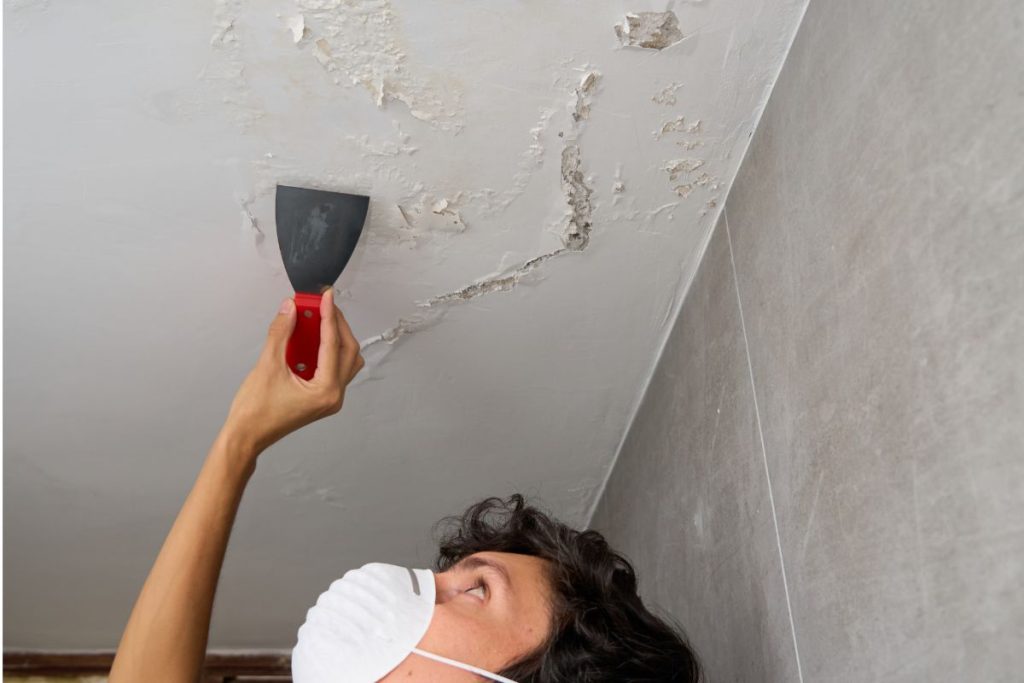
- Handyman: good for patching plaster, repainting a stain, or sealing a small gap. This covers the symptom. If the source keeps feeding water, the stain comes back within weeks.
- Plumber: the right call when the leak is a burst or weeping pipe, a leaking toilet connection, or a faulty floor trap. A plumber fixes pipework but does not usually redo floor waterproofing or treat a slab.
- Waterproofing specialist: the right call for most ceiling leaks where water passes through a concrete slab, a bathroom floor, an external wall, or a roof. The specialist finds the entry point, treats the source, and reinstates the waterproofing so the leak stays gone.
Many ceiling leaks need more than one trade. A leaking pipe upstairs needs a plumber to fix the pipe and a waterproofing specialist to restore the damaged floor membrane. A ceiling leak repair specialist who diagnoses the source first will tell you which trades you actually need.
How to choose a good ceiling leak contractor
Singapore has plenty of contractors, and the quality varies. Use this checklist to filter the ones worth a site visit.
- Diagnoses before quoting. A good contractor inspects, traces the source, and explains the cause before giving a price. Be wary of a fixed quote over the phone with no inspection.
- Gives a written warranty. Ask for the warranty period in writing and what it covers. A workmanship warranty shows the contractor stands behind the repair.
- Shows real before and after photos. Genuine local project photos, ideally from condo jobs like yours, beat stock images and vague promises.
- Is BizSafe and BCA-registered. Registration and safety certification signal an established, accountable company.
- Uses in-house licensed crews. Subcontracted teams that change every job make warranty claims harder and keep accountability spread thin.
- Explains the method. The contractor should tell you whether the fix is a surface treatment, a full membrane reinstatement, or pipe work, and why.
Roof Doctors has worked on Singapore ceiling and waterproofing leaks for more than 15 years, with in-house licensed crews, a workmanship warranty, and a real before and after portfolio. We are BizSafe and BCA-registered. You can see the full scope on our Ceiling Leak Repair page.
What a proper inspection includes
A real inspection does more than glance at the stain. Here is what a thorough ceiling leak inspection in Singapore should cover.
- A look at the affected ceiling and the floor above, since the source is often upstairs.
- Moisture readings to map how far the damp has spread inside the slab or wall.
- A check of nearby bathrooms, kitchens, balconies, and pipe runs for the likely entry point.
- A timing review: does the drip follow rain, follow upstairs water use, or run constantly.
- A clear explanation of the cause, the recommended fix, the warranty, and an itemised quote.
If a contractor skips straight to a price without finding the source, treat that as a warning sign. Without a correct diagnosis, the repair is a gamble.
Cost expectations
Costs vary with the source, the access, and how far the damage has spread, so treat the figures below as indicative SGD ranges, not fixed quotes. Only an inspection gives a real price.
- A stain repaint or minor patch after the source is fixed often falls in the low hundreds of SGD (indicative).
- Targeted waterproofing of a bathroom floor or a localised slab treatment commonly runs from a few hundred to low four figures in SGD (indicative).
- Larger jobs, such as a full bathroom waterproofing reinstatement or roof membrane works, sit higher and depend on area and roof type (indicative).
Frequently Asked Questions
Who do I call for an ceiling leak?
Start with the owner of the unit directly above, since most ceiling leaks come from the floor slab you share. Show your photos and ask them to check their bathroom and pipes. If you cannot agree on the cause, contact your town council, which can help mediate. To repair the leak you call a waterproofing specialist, and the cost is usually shared between the two units for a shared slab.
Should I call a plumber or a waterproofing contractor?
Call a plumber if the source is clearly a pipe, a leaking toilet connection, or a faulty floor trap. Call a waterproofing contractor if water passes through a concrete slab, a bathroom floor, an external wall, or a roof, which covers most ceiling leaks. If you are not sure, a waterproofing specialist who diagnoses the source first can tell you whether you also need a plumber.
Who pays for a ceiling leak in a condo?
It depends on where the water starts. If the source is common property such as the roof, the facade, or a common pipe, the MCST pays from maintenance funds, so you report it to the managing agent. If the source is inside another private unit, the owner of that unit is generally responsible, and you coordinate access through the managing agent.
Is the inspection free?
Roof Doctors offers a free inspection. We come to your home, trace the source, explain the cause, and give you an itemised quote with a written warranty before any work starts. Be cautious of any contractor who gives a firm price over the phone without seeing the leak.
How fast can someone come?
For an active drip, the priority is to contain the water and book an inspection quickly. Roof Doctors aims to schedule a site visit promptly, and you can reach us on WhatsApp at 6852 9177. In the meantime keep a bucket under the drip and switch off any circuit near the wet area.
Can I just repaint the stain myself?
Repainting hides the mark but does nothing about the source. If water is still passing through the slab or wall, the stain returns within weeks and the trapped damp can lead to mould or spalling concrete. Fix the source first, let the area dry, then repaint.