

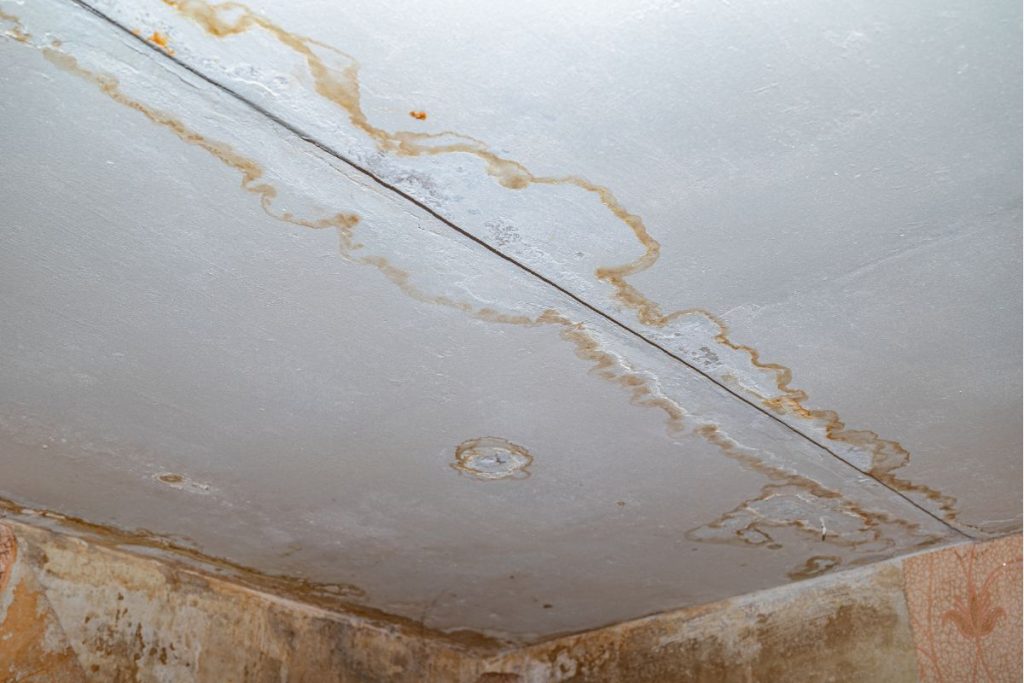
A wet patch spreads across your ceiling, the paint blisters, and the first question most owners ask is whether insurance will pay for it. The honest answer depends on what caused the leak and which policy you hold. Some water damage is claimable. A lot of it is not. This guide walks through the types of cover that apply to a ceiling leak in Singapore, what insurers usually pay for, what they exclude, and the documents you need to give your claim a fair chance.
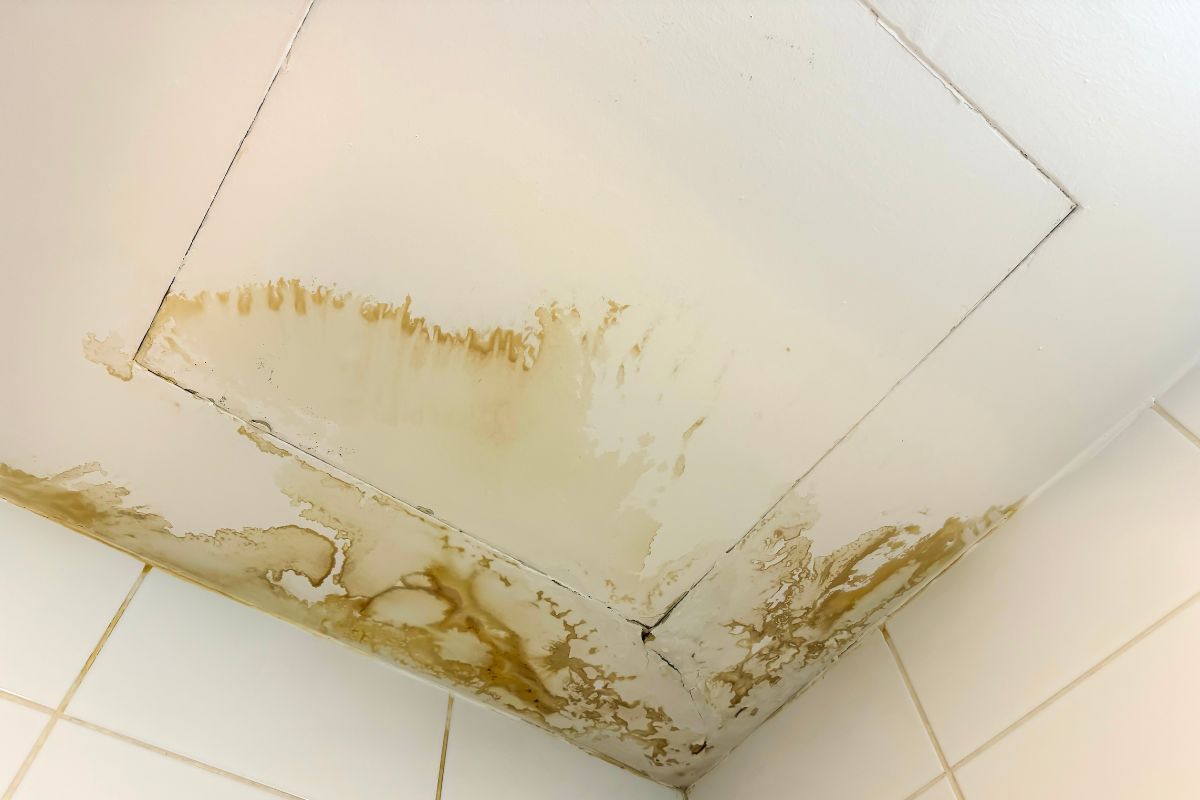
Quick answer: is a ceiling leak claimable?
Sudden, accidental water damage stands a reasonable chance of being covered. A pipe that bursts overnight and soaks your ceiling is the classic example. Slow problems are the opposite. Gradual seepage, damage that built up over months, and anything an assessor links to poor maintenance are commonly excluded from home and HDB policies in Singapore.
The source of the water decides almost everything. Insurers separate the event that caused the leak from the damage it left behind. They may pay to repair the soaked ceiling and ruined contents while refusing to pay for fixing the worn pipe or failed waterproofing that started it. Knowing where your situation sits on that line saves you a wasted claim and an awkward rejection letter.
Types of cover relevant to ceiling leaks
There is no single policy called ceiling leak insurance. Several different products can come into play, and which one responds depends on whether you live in an HDB flat, a condo, or a landed home, and on who owns the property.
HDB fire insurance vs home contents or renovation insurance
HDB fire insurance is the basic policy tied to many HDB flats through the appointed insurer. Despite the name, it centres on the building structure and a defined set of perils, and it is not a catch-all for water damage. An HDB fire insurance ceiling leak claim only works if the cause matches what that policy actually covers, so read the wording before assuming.
Home contents and renovation insurance are separate products you buy on top. These can cover water damage to your renovation, furniture, and belongings when a sudden burst causes it. If you want protection for ceiling finishes, built-in carpentry, and electronics, this is usually the cover that responds, not the fire policy. For broader home insurance water damage in Singapore, the contents or homeowner policy is where most claimable items live.
Condo MCST master policy vs your own home insurance
In a condo, two layers exist. The MCST holds a master policy covering common property and shared building elements. Your own home insurance covers what is inside your unit. A condo ceiling leak insurance claim often turns on where the water came from. If it tracks down from the unit above or from a common pipe, the MCST and the upstairs owner may be involved. If the fault sits inside your own unit, your policy is the one that responds.
Landlord vs tenant
When a property is rented, the split matters. The landlord usually insures the building and any furnishings they provide. The tenant insures their own belongings. A tenancy agreement often sets out who handles repairs for a ceiling leak and who reports it. Check the agreement first, because filing the wrong claim wastes time and can delay the actual repair while water keeps spreading.
What is usually covered vs excluded
Every policy reads differently, so treat the table below as a general guide rather than a promise. It shows the patterns assessors tend to follow when they look at a water damage claim. The split between a sudden event and slow deterioration runs through all of it.
| Situation | Usually covered? | Notes |
| Sudden burst pipe soaking the ceiling overnight | Often yes | Treated as accidental and sudden, the kind of event most policies are built for |
| Long-term seepage staining the ceiling over months | Usually no | Seen as gradual damage and often tied to wear or maintenance, a common exclusion |
| Resulting damage to ceiling finishes and contents | Often yes | Damage caused by a covered event, such as ruined paint, plaster, or furniture |
| Repair of the source itself, such as the pipe or worn waterproofing | Usually no | The faulty part that caused the leak is normally your own repair cost |
| Damage from a leak the upstairs unit ignored | Depends | May fall to the upstairs owner or the MCST rather than your own policy |
| Damage worsened by delayed reporting | Often reduced or refused | Insurers can cut a payout when delay made the damage worse |
Read your policy wording for the exact terms. Two homes on the same street can hold policies that treat the same leak differently, and the assessor decides each case on its own facts.
Step-by-step: how to file a claim
A clean claim is mostly about evidence and timing. Work through these steps as soon as you spot the leak, and keep a copy of everything you submit.
- Document the damage with photos and video. Capture the wet patch, any dripping, damaged contents, and the wider room for context. Date-stamped images help.
- Stop the damage spreading where you safely can. Move furniture, place a bucket, and switch off affected lights or power points. Do not start permanent repairs before the assessor sees it, since that can weaken the claim.
- Get a professional leak inspection report that identifies the cause and the likely date the leak began. This is the document that decides most claims.
- Notify your insurer, and the MCST if you are in a condo, promptly. Many policies expect early reporting, and delay can reduce what they pay.
- Keep all receipts and quotations for inspection, repair, and any replaced contents. Submit them with the claim form so the insurer can value the loss.
Why the cause report is the deciding document
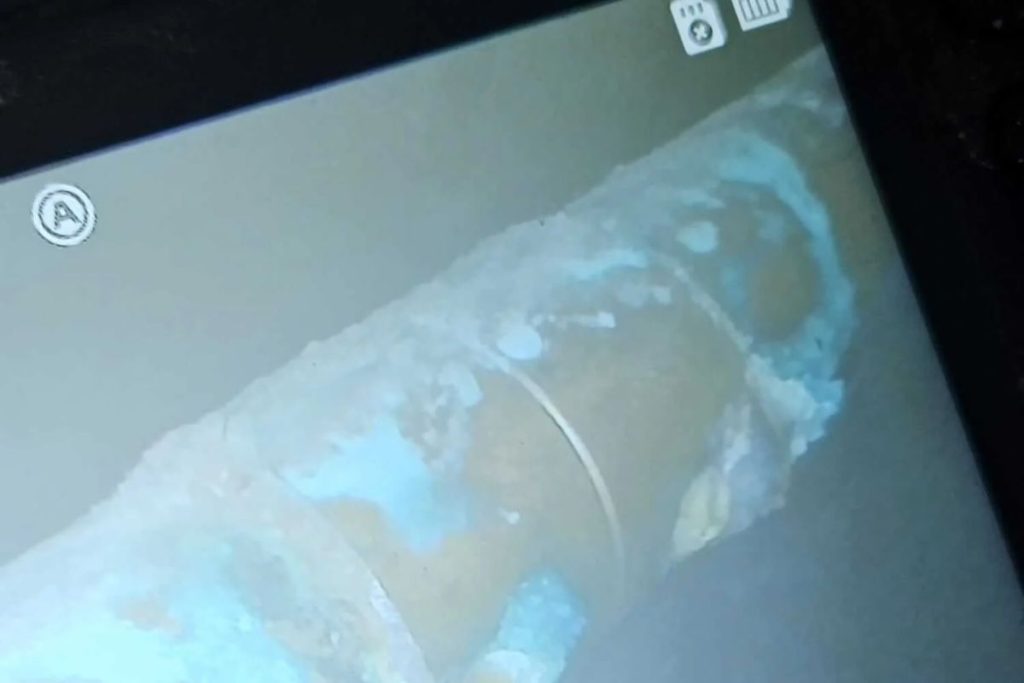
An insurer pays based on cause. The single most useful thing you can hand them is an insurance leak inspection report that states what caused the water to enter, where it came from, and when the problem likely started. That report answers the exact questions an assessor asks before approving any water damage claim.
Without it, the insurer relies on its own assessor, who often leans toward the cheaper conclusion for them, which is gradual seepage or poor maintenance. A clear report from a qualified contractor gives you grounds to push back. It can show that a sudden failure caused the leak rather than years of neglect, and that difference is often the line between a payout and a rejection. If you are still unsure what is behind the damage, our guide on why your ceiling is leaking explains the common causes.
Common reasons claims get rejected
Most rejections trace back to a handful of issues. Knowing them in advance helps you avoid them.
- Gradual seepage. The damage built up slowly, so the insurer classes it as wear rather than a sudden accident.
- Lack of maintenance. Worn waterproofing, a corroded pipe, or a clogged outlet left unattended points to neglect, which most policies exclude.
- Late reporting. The owner waited weeks before notifying the insurer, and the delay let the damage spread.
- No proof of cause. The claim has photos of the mess but nothing that explains why the leak happened.
- Wrong policy or wrong party. The claim went to the home policy when the MCST or the upstairs owner was responsible, or to the fire policy for damage it never covered.
- Repairs done too early. The source was fixed before the assessor could inspect it, so the cause could not be verified.
If you are not sure who should handle the leak in the first place, our piece on who to call for a ceiling leak covers HDB, condo, and landed cases. Condo owners working out responsibility should read condo ceiling dripping: MCST vs owner before filing anything.
How Roof Doctors supports a claim
We do the part insurers care about most, which is establishing cause. Roof Doctors inspects the leak, identifies where the water is coming from, and writes a clear report you can submit with your claim. The report states the cause, the affected area, and our professional view on the source, in plain language an assessor can act on.
Alongside the report we provide a written quotation for the repair. With over 15 years working on Singapore ceilings and a BCA-registered, BizSafe-certified crew, we handle the Ceiling Leak Repair itself once your claim is sorted, so the same team that diagnosed the leak fixes it. That keeps the cause, the cost, and the repair consistent from one source.
Disclaimer: cover depends on your individual policy and the insurer’s own assessment. The patterns above are general guidance only. Always check your policy wording and confirm the specifics with your insurer before relying on a claim.
Frequently Asked Questions
Is a ceiling leak covered by insurance in Singapore?
Sometimes. A sudden, accidental cause such as a burst pipe stands a reasonable chance of being covered, while gradual seepage and damage tied to poor maintenance are commonly excluded. The cause of the leak and the exact wording of your policy decide the outcome.
Does HDB fire insurance cover ceiling leaks?
Not as a rule. HDB fire insurance centres on the building structure and a defined set of perils, so it is not a general water damage policy. A claim only works if the cause matches what the policy actually covers. For finishes, renovation, and contents, a separate home or contents policy is usually the one that responds.
Will gradual seepage be covered?
Usually not. Insurers tend to treat slow seepage as wear and tear or a maintenance issue, both of which are common exclusions. This is why a report that shows a sudden cause, where one exists, can make a real difference to the result.
What documents do I need for a water damage claim?
Photos and video of the damage, a professional leak inspection report stating the cause and likely date, your insurer’s claim form, and receipts or quotations for inspection, repair, and any replaced contents. Keep copies of everything you submit.
Do I need a leak detection report?
It is the document that decides most claims. An insurance leak inspection report identifying the cause and source gives the assessor the answer they need and gives you grounds to challenge a rejection that wrongly blames gradual seepage.
Can you provide a report for my claim?
Yes. Roof Doctors inspects the leak, identifies the cause, and writes a clear cause report you can submit to your insurer or MCST, along with a written repair quotation. Message us on WhatsApp at 6852 9177 to arrange an inspection.