

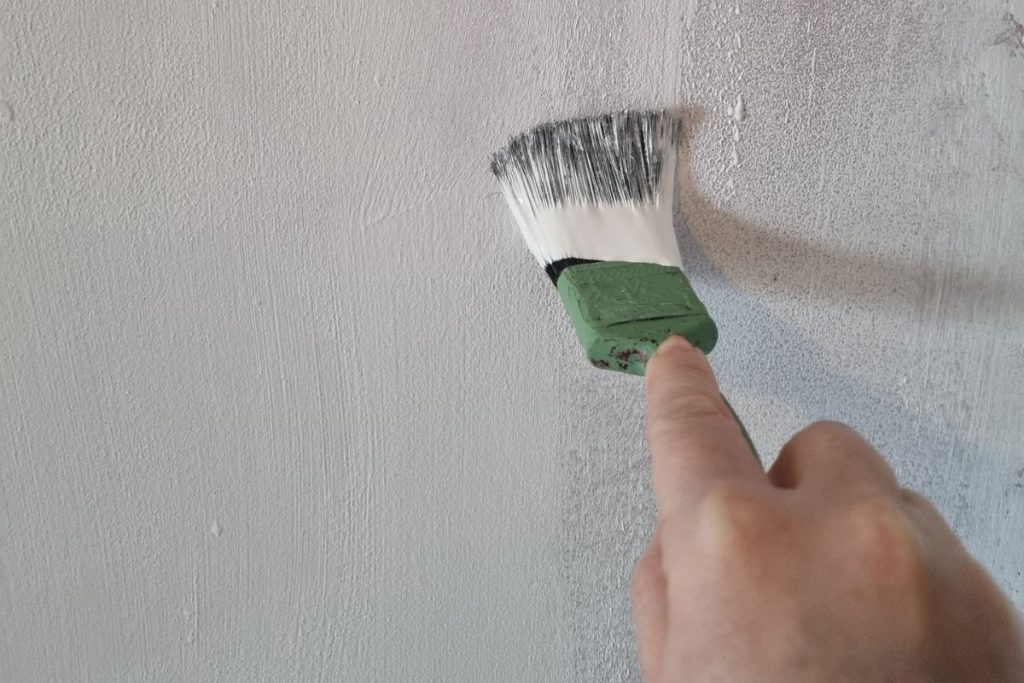
A damp patch shows up on your wall, the paint starts to bubble, and the first instinct is to grab a tin of waterproof paint and cover it over. Sometimes that works. Often it does not, and the stain comes back within months. This guide helps you decide whether a repaint will actually solve your wall seepage in Singapore, or whether the water needs a structural fix before any paint goes on. Read it before you spend money on a coat that may peel off by the next monsoon season.
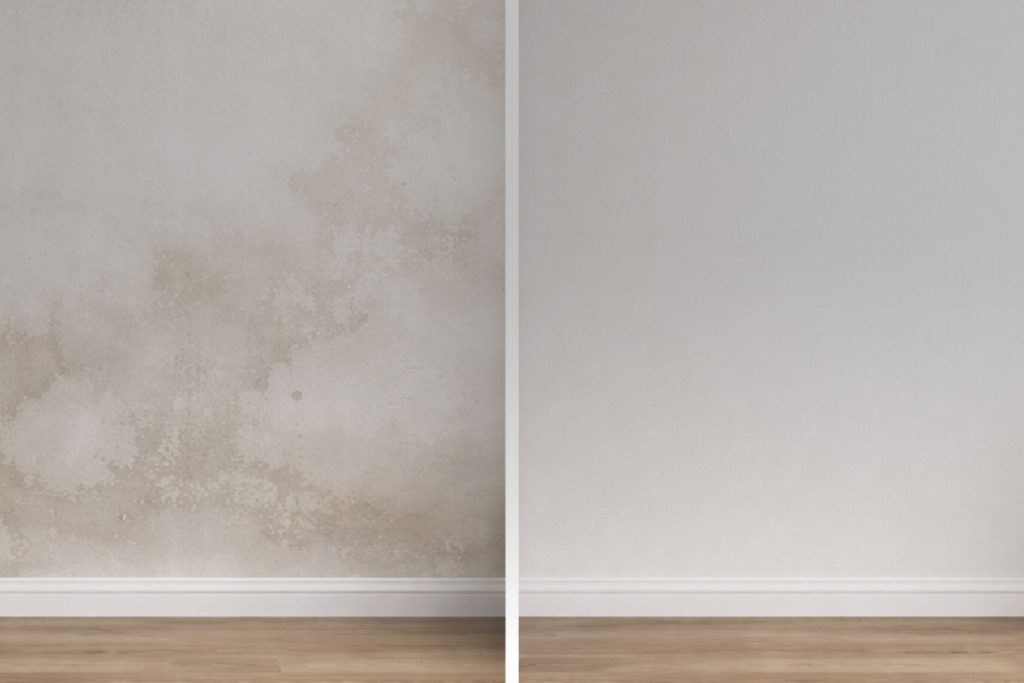
The honest answer up front
Paint hides symptoms. It does not stop water. If moisture is still entering the wall from behind, no coating on the inside face will hold it back for long. Water finds the weakest point, builds pressure, and pushes the paint off the surface. That is why a repaint over an active leak almost always fails, sometimes faster than the first coat did.
So the real question is not which paint to buy. The question is whether water is still getting in. If the source is fixed and the wall is dry, a quality coating is a sensible finishing step. If water is still moving through the wall, paint is a cosmetic delay and your money is better spent fixing the cause first. For the full picture of how water gets into walls, see the full guide to water seepage in walls.
What waterproof and anti-damp paint actually does
Waterproof and anti-damp paints are surface coatings. A good one resists moisture from the room side, tolerates some alkalinity in the plaster, and slows light condensation. On a sound, dry wall it does its job well and gives you a clean, durable finish.
Here is what these paints cannot do. They cannot block water arriving under pressure from outside or from a leaking pipe. They cannot stop rising damp coming up from the ground. They cannot bridge a structural crack that keeps moving. Anti-damp paint in Singapore is sold as a cure for wet walls, but it is really a finish for walls that are already dry. Used the wrong way, it traps moisture inside the wall and can make spalling worse.
Waterproof paint vs waterproofing: they are not the same thing.
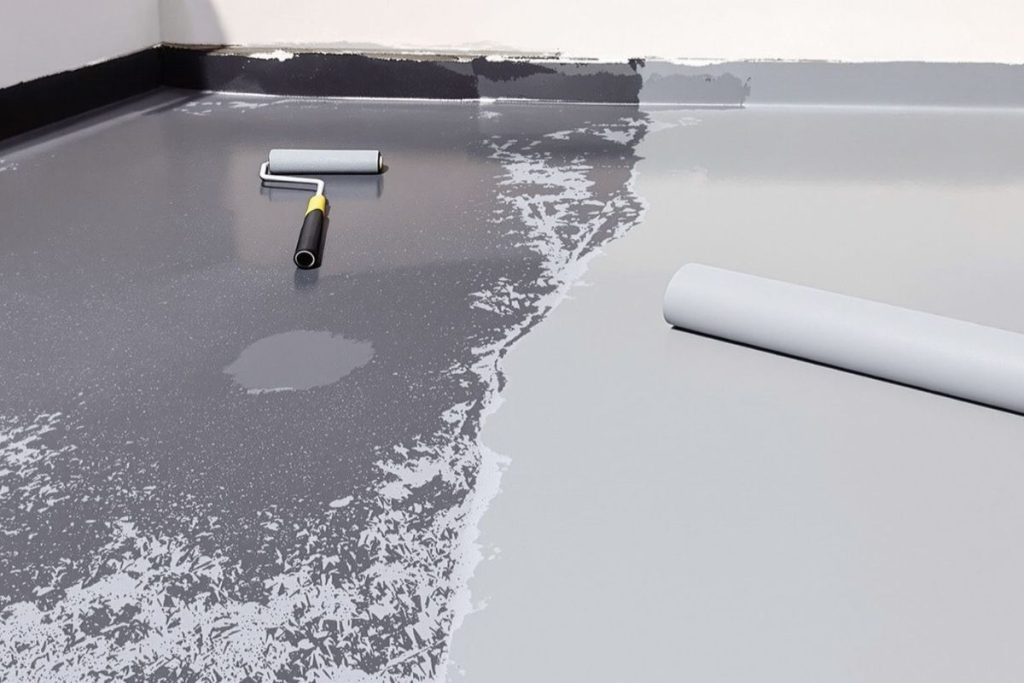
Waterproof paint is a thin film applied to a finished surface. Proper waterproofing is a membrane system applied to the source side of the structure, often the external wall, the wet area screed, or the roof, designed to keep water out of the building fabric entirely. When the problem is real seepage, you need the membrane, not the film.
When a repaint is reasonable
A repaint is a fair choice in a few clear cases. The common thread is that there is no active water source feeding the wall.
- Minor surface staining with no soft plaster, no bubbling, and no spreading over time.
- A one-off mark from an old spill or condensation that has fully dried and never returns.
- After the water source has been found and fixed, and the wall has been left to dry out.
- Cosmetic touch-up in a dry room where you simply want a fresh, moisture-resistant finish.
The test is simple. Press the affected area. If the plaster is firm and dry and the stain has not grown for several weeks, a repaint with a good moisture-resistant paint is reasonable. If the patch keeps coming back or the plaster feels soft, stop and read the next section.
When you need a structural or waterproofing fix
These signs point to water still entering the wall. Painting over them wastes the paint and delays the repair that actually matters.
- Active seepage: the wall is damp to the touch, especially after rain or when a neighbour uses water.
- Efflorescence: white powdery or crystalline deposits on the surface, a clear sign water is moving through the wall and leaving salts behind.
- Rising damp: a tide line of dampness near the floor that climbs the wall over time.
- Cracks: hairline or wider cracks in the plaster or structure that let water track through.
- Recurring patches: a stain you have painted over once or twice that keeps returning in the same spot.
- Bubbling, flaking, or blistering paint, which means moisture is pushing out from behind the film.
If you are not sure whether the water is coming from inside the unit or from outside, work that out first. Our guide on how to diagnose an internal vs external wall leak walks through the checks. Getting the source right decides the whole repair.
Decision checklist: symptom, repaint enough, recommended action
Use this table as a quick decision tree. Match your symptom, check whether a repaint is enough, then follow the recommended action.
| Symptom | Repaint enough? | Recommended action |
| Light surface stain, dry and stable for weeks | Yes | Clean, prime, repaint with moisture-resistant paint |
| Old mark from a fixed leak, wall now dry | Yes | Confirm dryness, then repaint |
| Paint bubbling or flaking | No | Find the water source, treat the cause, then re-plaster and repaint |
| White efflorescence deposits | No | Trace the seepage path, apply proper waterproofing, salt-resistant render, then paint |
| Damp tide line rising from the floor | No | Investigate rising damp, structural treatment needed before any paint |
| Cracks in plaster or wall | No | Repair and seal the crack, address movement, then finish |
| Patch keeps returning after repainting | No | Stop repainting, book a professional diagnosis |
| Damp worsens after rain or neighbour’s water use | No | External or shared-wall source, waterproofing required |
DIY or professional?
DIY makes sense for the genuine repaint cases above. You buy a tin, prep the wall, and finish it in an afternoon. The risk appears when people use DIY anti-damp paint to cover an active leak. The coat looks fine for a few weeks, then the damp pushes through again.
Two hidden costs make the DIY vs professional wall seepage decision matter. First, the cost of redoing a failed paint job: stripping the bad coat, drying the wall again, and repainting often costs more than getting it right the first time. Second, the risk of spalling. When water sits trapped behind a coating in a Singapore flat, it can reach the steel reinforcement in concrete and start corrosion, which leads to spalling concrete that is far more expensive to repair than the original damp patch.
If the wall shows any sign on the structural list, treat it as a job for a professional who can diagnose the source and apply the right system. Our Wall Seepage Repair team handles the diagnosis and the fix in one visit.
What a proper structural fix involves
A real fix follows an order. Skipping a step is what makes repairs fail.
- Diagnose the source. Find where the water enters, whether that is an external wall, a leaking pipe, a wet-area screed, a roof, or a shared boundary wall.
- Treat the cause. Seal the entry point, repair the pipe, or apply waterproofing on the source side so water stops reaching the wall.
- Remove damaged plaster and let the wall dry. Strip out blown plaster and salts, then allow the substrate to dry fully.
- Re-plaster with a salt-resistant render. This handles residual moisture and stops efflorescence from coming back through the new finish.
- Prime and paint. Only now does the coating go on, as a finish rather than a barrier.
Done in this order, the paint is the last and smallest part of the job, and it lasts. Done out of order, the paint is the first thing to fail.
Why drying time matters before painting
Painting a wet wall is a common mistake. Fresh plaster and a recently soaked wall hold a lot of moisture, and that moisture has to leave through the surface. Seal it under paint too early and you trap it, which leads to peeling, blistering, and patchy colour.
Drying time depends on how wet the wall was, how thick the plaster is, and the humidity in your home. Singapore’s humidity slows drying compared with drier climates, so a wall that might dry in a week elsewhere can need longer here. As a rule, wait until the wall reads dry on a moisture meter and shows no fresh staining before any primer goes on. A professional will check this rather than guess.
Cost: cheap repaint now vs proper fix
A DIY anti-damp repaint can cost very little, often the price of a tin of paint and an afternoon. That is appealing when the budget is tight. The trap is that an active leak will defeat it, so you pay again, sometimes several times, and the wall keeps getting worse underneath.
A proper structural fix costs more up front because it includes diagnosis, treating the source, re-plastering, and finishing. It also ends the problem, which a repaint over a live leak never does. Figures vary widely with the source, the access, and the area affected, so any number here would be indicative only (SGD). For a clear breakdown of what each part of the job costs, see our guide to wall seepage repair cost in Singapore.
The simple way to think about it: spend on the cause, then spend a little on the finish. Spending only on the finish while the cause runs free is the most expensive route over time.
Frequently Asked Questions
Does waterproof paint stop seepage?
Not on its own. Waterproof paint resists moisture from the room side on a dry wall, but it cannot stop water entering under pressure from outside, a leaking pipe, or rising damp. If seepage is active, you need to fix the source and often apply a proper waterproofing system before the paint will hold.
Why does my paint keep peeling after repainting?
Peeling after a repaint almost always means water is still reaching the wall from behind. The moisture pushes the new film off the surface. Repainting again will not help. Find and fix the water source, let the wall dry fully, then refinish.
Can I just use anti-damp paint?
Anti-damp paint is fine as a finish on a wall that is already dry with no active leak. It is not a cure for a wet wall. Used over live seepage it traps moisture inside and can make problems like spalling worse over time.
How long should a wall dry before painting?
Until it actually reads dry, not by the calendar. Singapore’s humidity slows drying, so a soaked wall or fresh plaster can need a week or more. The safe check is a moisture meter reading in the dry range plus no fresh staining before any primer goes on.
Is DIY worth it for wall seepage?
For a light stain on a dry, stable wall, yes, a careful DIY repaint is reasonable. For active seepage, efflorescence, rising damp, or cracks, DIY usually fails and can hide a worsening problem. In those cases a professional diagnosis saves money in the long run.
Should I waterproof or just repaint my wall?
Repaint if the source is fixed and the wall is dry. Waterproof if water is still entering the structure. The decision turns on whether the wall is still getting wet, so confirm that first with the checklist above or a professional inspection.