

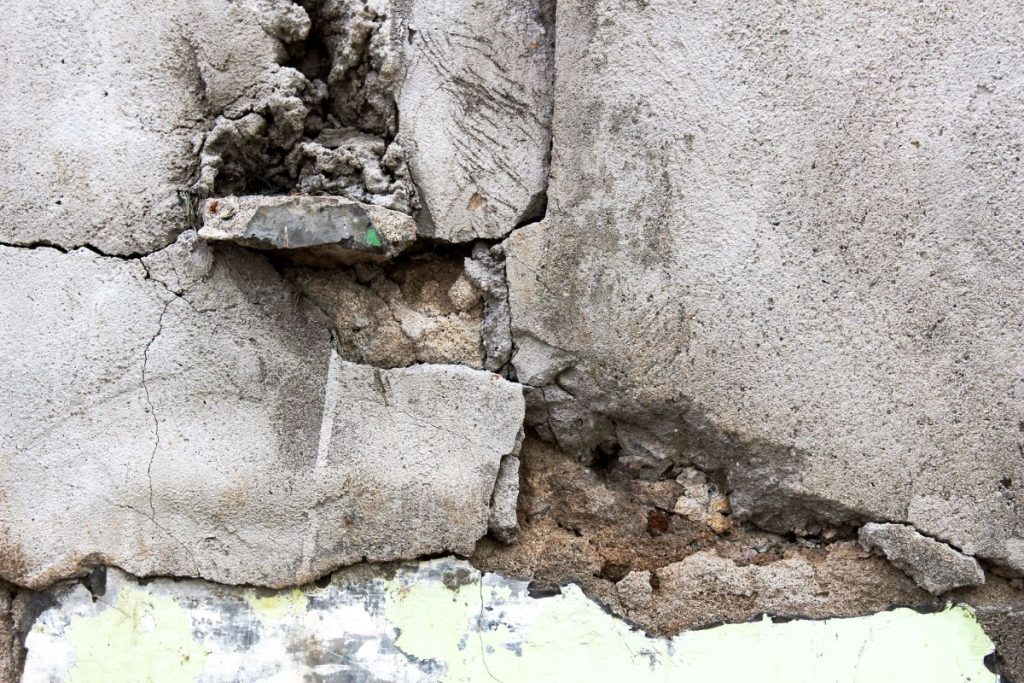
A patch of flaking paint on the ceiling, a brown rust stain, then a chunk of concrete on the floor and a rusty steel bar poking through. That sequence is spalling concrete, and it shows up in HDB flats across Singapore, from older blocks in Toa Payoh and Ang Mo Kio to bathrooms in newer estates. This guide explains what HDB spalling concrete looks like, why it happens, who is responsible, and how a contractor repairs it the right way so it stays fixed.
What spalling concrete looks like in an HDB flat
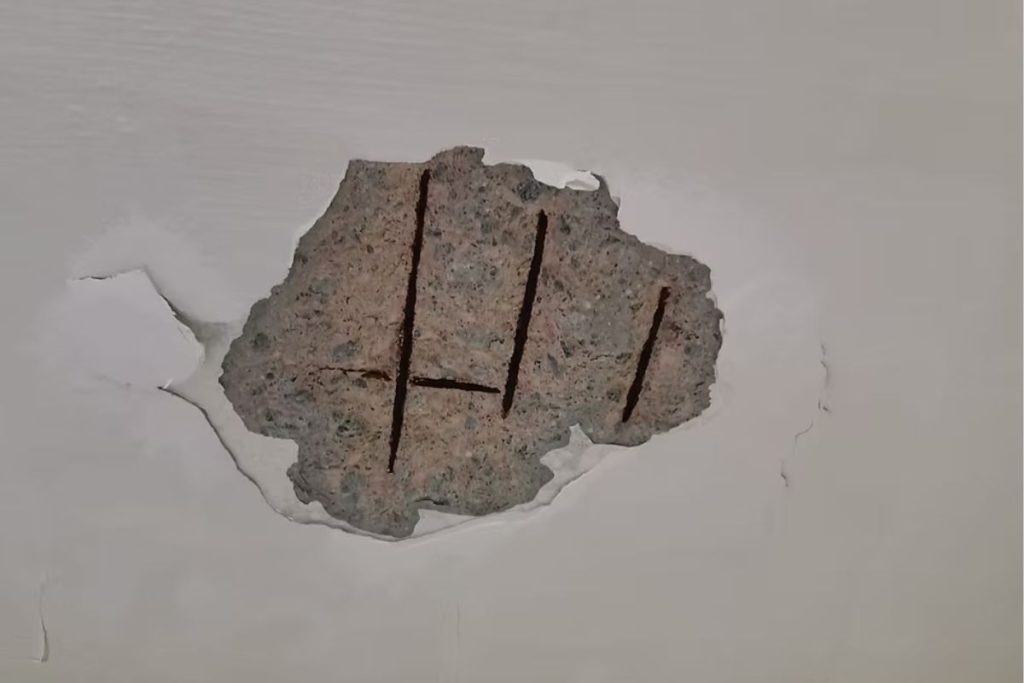
Spalling starts small and gets worse over months. The first sign is usually paint that lifts or blisters on the ceiling. Next comes a brown or orange rust stain bleeding through. Then the concrete surface cracks and breaks away in flakes or lumps, and you can see a steel reinforcement bar, the rebar, exposed underneath. Some owners call it concrete cancer because it spreads from the rusting steel outward.
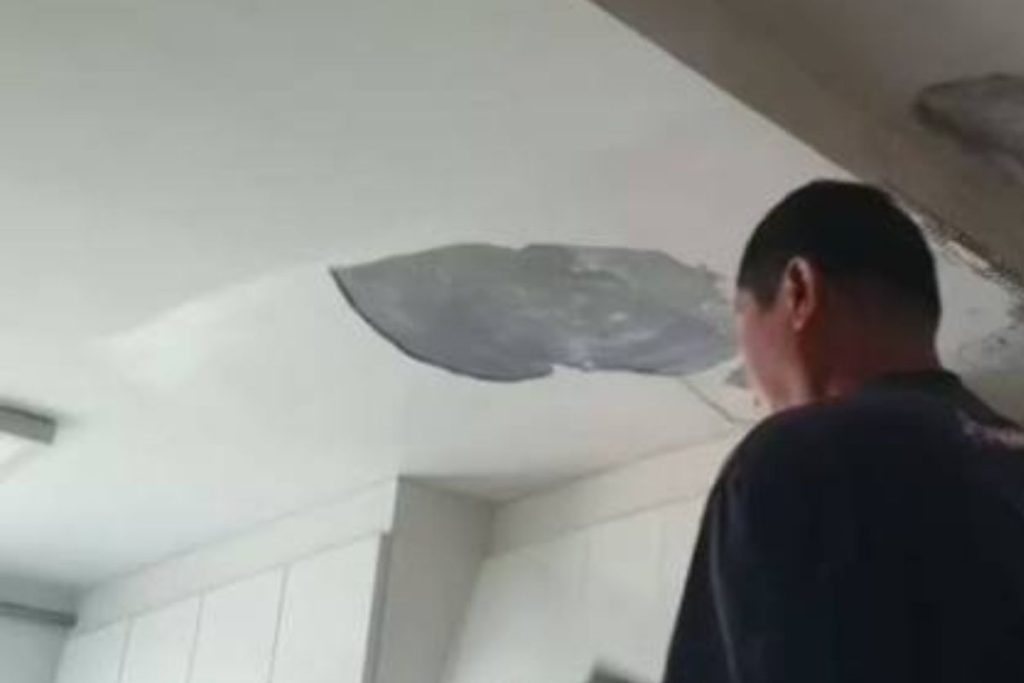
In HDB flats the problem shows up most often on bathroom and kitchen ceilings, since these areas sit below wet rooms in the unit above. You may also see it on the underside of a balcony slab or along a ceiling edge. Older blocks built decades ago tend to show more spalling than recent estates, though it is not limited to them.
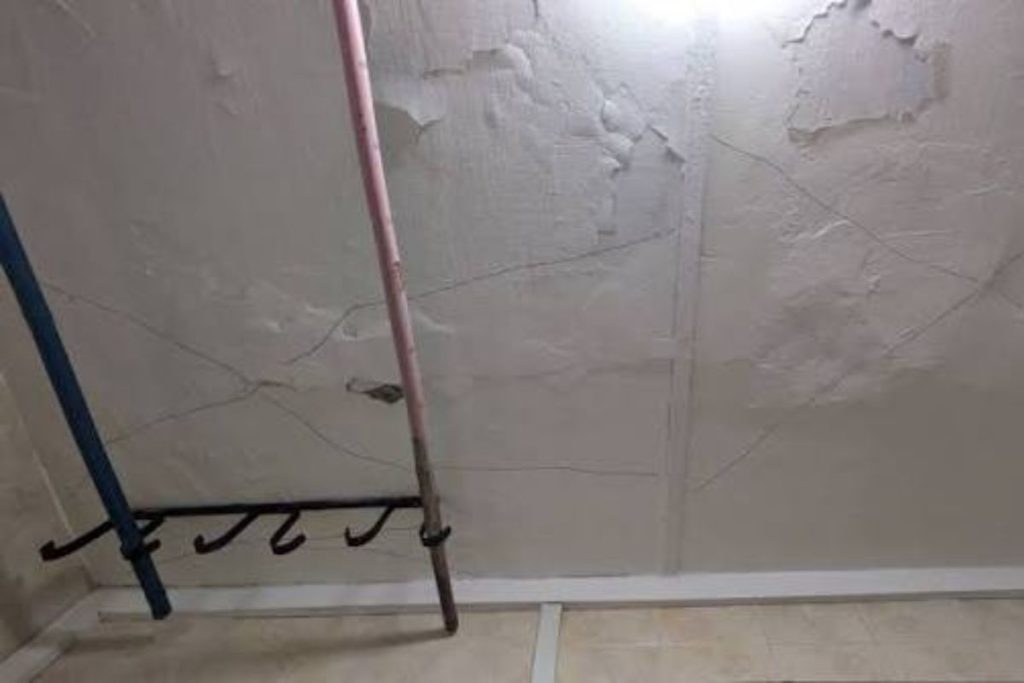
- Paint blistering, bubbling, or peeling on the ceiling.
- Brown or orange rust stains spreading across the surface.
- Hairline cracks that widen and start to flake.
- Loose concrete pieces dropping to the floor.
- Exposed steel rebar that looks rusted and swollen.
Why it happens in HDB flats specifically
Reinforced concrete is steel bars set inside concrete. The concrete protects the steel from moisture and keeps it from rusting. Spalling begins when that protection breaks down and water reaches the steel. The steel rusts, rust takes up more space than the original metal, and the pressure pushes the concrete cover off. Once a bar is exposed, it rusts faster and the patch grows.
A few conditions make HDB flats prone to this.
- Ageing concrete. In older blocks the slab has carried decades of use and the surface has had time to break down.
- Carbonation. Carbon dioxide from the air slowly soaks into concrete and lowers the alkalinity that keeps steel from rusting. Over many years this reaches the rebar.
- Ceiling and bathroom moisture. Bathrooms and kitchens hold humidity, and a leaking floor trap or pipe in the unit above can feed water straight into the slab.
- Concrete cover. If the steel sits close to the surface, there is less concrete protecting it, so carbonation and moisture reach it sooner.
Singapore’s climate adds to it. Heat and high humidity all year, plus monsoon season damp, keep concrete surfaces working hard. When a hidden leak from the flat above keeps a ceiling slab wet, spalling can take hold even in a mid-aged block.
Is spalling common in newer BTO flats?
Spalling is far less common in newer BTO flats because the concrete is young and carbonation has had little time to act. It still happens, usually for one of two reasons. The first is moisture from a leak, often a bathroom floor trap or pipe in the unit above that was not sealed well. The second is a workmanship issue during construction, such as steel set too close to the surface or a honeycomb gap left in the concrete that lets water in.
If you own a newer flat and see early signs, check the obvious sources first. Look for a damp patch that tracks back to a wet area above, ask the upstairs neighbour whether they have had a leak, and note whether the stain grows after someone showers. A spalling patch in a young flat almost always points to active water, so finding and stopping the source matters more than the cosmetic patch.
Who is responsible and who pays
As a general guide, spalling concrete inside your flat, on your ceiling, walls, or floor, is the owner’s responsibility to repair. Where a leak from the unit above is feeding the spalling, the cause sits with the upstairs neighbour, and the two parties usually need to sort out the leak and any shared cost between them.
HDB has at times offered goodwill repair assistance for spalling in certain older blocks, and eligibility and terms vary. Do not assume a subsidy applies to your flat. Check current HDB guidance or contact your branch directly for what is available now, since these arrangements change over time.
| Situation | Typically responsible | Note |
| Spalling on your own ceiling, wall, or floor, no leak from above | Flat owner | Owner arranges and pays for the repair. |
| Spalling caused by a leak from the unit above | Upstairs neighbour for the leak | Neighbour fixes the leak; cost sharing for the ceiling is settled between parties. |
| Spalling in common areas (corridors, void decks, stairwells) | Town Council or HDB | Report it to your Town Council to action. |
| Older blocks under a goodwill or assistance arrangement | Varies | Eligibility differs by block and changes over time; confirm current HDB guidance. |
For a leak between two flats, HDB and Town Councils can help mediate if neighbours cannot agree. A professional assessment that confirms the source of the water makes that conversation far easier, because it shows where the leak starts.
What owners should do step by step
Spalling is rarely an emergency, but loose concrete overhead can fall and injure someone. Handle it in order.
- Do not knock or pick at loose concrete yourself. Pulling it off exposes more steel and can drop a heavy piece on you.
- Keep people clear of the area. Move beds, the dining table, or play areas away from directly under the patch.
- Photograph the patch and the surroundings. Date the photos and take a few each week so you can show how fast it is spreading.
- Check for a water source. Note if the stain grows after rain or after the unit above uses water, and speak to your upstairs neighbour.
- Get a professional assessment. A contractor can confirm how deep the spalling goes, whether a leak is feeding it, and what the repair needs.
If you want a clear read on the cause before you commit to anything, Roof Doctors offers a free inspection and can tell you whether the patch is surface flaking or active spalling with a leak behind it.
How HDB spalling is repaired properly
A patch job that only fills the hole and repaints will fail, because the rusting steel keeps working underneath. A proper repair treats the steel and stops the cause. Here is the sequence a contractor follows.
- Hack back the loose and weak concrete around the patch until only sound concrete and clean rebar remain.
- Treat the rebar. Wire-brush or grind the rust off the steel down to clean metal.
- Apply an anti-corrosion primer to the cleaned steel so it stops rusting.
- Rebuild the profile with polymer-modified repair mortar that bonds to the old concrete and rebar.
- Apply an anti-carbonation coating over the repaired and surrounding surface to slow future carbonation.
- Fix any leak feeding the patch. If water from the unit above is the source, the floor trap or pipe up there has to be sealed, or the repair will spall again.
The leak step is the one owners skip most often, and it is the reason repaired ceilings come back to spall. If your spalling sits under a bathroom or kitchen, treat the water source as part of the job. For the full repair method and the difference between an overhead slab and a floor, see ceiling vs floor spalling: same cause, different fix, and read more on our Spalling Concrete Repair and Concrete Repair pages.
HDB spalling concrete repair cost
Cost depends on how many patches there are, how deep the spalling runs, how much steel is affected, and whether a leak needs sealing. The figures below are indicative SGD ranges to help you plan. Always get a site quote, because the actual price turns on what the contractor finds once the loose concrete comes off.
| Scope | Indicative cost (SGD) | What it covers |
| Single small patch | 200 to 450 | One localised patch, hack, treat rebar, mortar, repaint. |
| Bathroom or kitchen ceiling, a few patches | 450 to 900 | Several patches on one ceiling with anti-carbonation coating. |
| Larger or multi-spot ceiling | 900 to 1,800 | Widespread spalling across most of a ceiling slab. |
| Leak source repair (upstairs floor trap or pipe) | 300 to 800 | Sealing the water source so the patch does not return. |
These ranges are a guide for planning, not a fixed quote. A free inspection gives you a firm number for your flat and confirms whether the leak repair is needed.
How to prevent recurrence
Once a patch is repaired correctly, a few habits keep spalling from coming back.
- Fix leaks early. A small ceiling stain that you catch fast is cheap to deal with compared with a spreading spalling patch.
- Keep wet areas sealed. Maintain the waterproofing and floor trap seals in your own bathroom so you do not cause spalling in the flat below.
- Watch the repaired patch. Check it every few months for any return of staining or flaking.
- Keep the anti-carbonation coating intact. If it gets scuffed or repainted over with the wrong product, the protection drops.
- Act on neighbour leaks. If the unit above develops a leak, raise it early so it does not soak your ceiling slab again.
Spalling is a slow problem with a clear fix. Treat the steel, stop the water, and the repair holds for years.
Frequently Asked Questions
What is spalling concrete in an HDB flat?
It is concrete that flakes and breaks away because the steel reinforcement inside has rusted. The rust expands and pushes the concrete cover off, leaving cracks, rust stains, and exposed rebar, most often on bathroom and kitchen ceilings.
Is HDB spalling concrete dangerous?
It is rarely an emergency, but loose concrete overhead can fall and hurt someone, so keep people clear of the area. Left alone, it spreads and the rusting steel weakens that part of the slab, so get it assessed rather than ignoring it.
Who pays for HDB spalling concrete repair?
As a general guide, spalling inside your own flat is the owner’s responsibility. If a leak from the unit above is feeding it, the upstairs neighbour is responsible for the leak, and cost sharing for the ceiling is settled between the two parties.
Does HDB cover the cost of spalling repair?
HDB has at times offered goodwill repair assistance for spalling in certain older blocks, and eligibility and terms vary and change over time. Do not assume a subsidy applies. Check current HDB guidance or contact your branch for what is available now.
Can I just paint over HDB spalling concrete?
No. Paint hides the stain for a short while, but the rusting steel keeps working underneath and the patch returns. A lasting fix has to hack back the loose concrete, clean and treat the rebar, then rebuild with repair mortar.
How long does an HDB spalling repair last?
A repair that treats the steel, rebuilds with polymer mortar, adds an anti-carbonation coating, and stops any leak feeding it can last many years. A repair that skips the leak or only fills the hole tends to spall again within a year or two.