

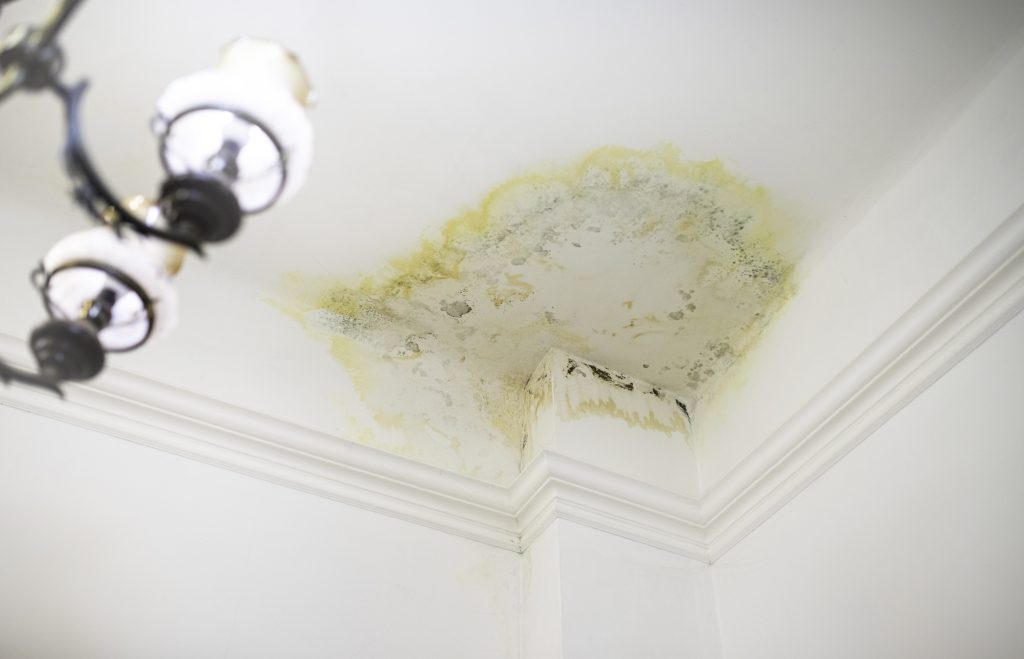
Water leakage in a Singapore home is rarely a straightforward issue. It often begins subtly – a faint, musty smell in a room, a small, yellowed patch on the ceiling after a storm, or a section of wall paint that begins to bubble. Many homeowners, focused on the visible blemish, treat these as isolated problems. They apply a fresh coat of paint or caulk a crack, only to have the issue return weeks later, often worse than before. Costs escalate, frustration builds, and the damage spreads.
This guide is designed to change that. It provides a comprehensive, end-to-end breakdown of how leaks actually behave in Singapore’s unique building environment. Whether you are a homeowner in an HDB flat, a condominium resident, or the manager of a landed property, this article will equip you with the knowledge to:
- Understand where water leakage in your home truly originates.
- Identify the patterns that reveal the hidden source of the problem.
- Avoid costly misdiagnosis and repeat repairs.
- Make informed decisions about when and how to seek professional help for a permanent home water leakage solution.
Understanding the Three Water Leakage Entry Points in Singapore Homes
Nearly all residential water leakage cases can be traced back to one (or a combination) of three primary entry points: walls, ceilings, and roofs. The core challenge in any water leakage repair is that water rarely appears directly below its point of entry. Singapore’s tropical climate—characterized by high humidity, frequent torrential rain, and intense tropical sun—accelerates the fatigue of building materials. Waterproofing membranes degrade over time, micro-cracks in concrete widen, and moisture migrates laterally through masonry and along structural beams. A leak originating from a failed pipe in a bathroom on the 10th floor can easily manifest as a damp patch on the wall of a living room on the 9th. This is why a correct, professional diagnosis is far more critical than treating the symptom you can see. Guessing the source is the primary reason for failed repairs.
Water Seepage in Walls: Identifying Internal vs External Sources
Wall-related leakage is one of the most frequently misdiagnosed issues in Singapore properties. Homeowners often focus on the cosmetic damage—a stain, a crack, peeling paint—without understanding how water travels through concrete and masonry. By the time damage is visible, the problem has likely been developing for weeks or even months.
Common Signs of Wall Leakage
Wall moisture doesn’t always announce itself dramatically. It’s crucial to recognize the subtle early warning signs:
- Peeling or Blistering Paint: This is a classic sign that moisture is accumulating behind the wall surface, causing the paint to lose adhesion.
- Damp Patches That Darken After Rain: If a patch on your wall grows or darkens following a storm, it’s a strong indicator of external water ingress.
- Powdery White Residue (Efflorescence): This chalky substance appears when water dissolves salts within concrete or brick and then evaporates, leaving the salt deposits on the surface.
- Musty Smells or Mould Growth: Persistent dampness creates the perfect breeding ground for mould and mildew, which pose health risks.
- Soft, Bubbling, or Flaking Plaster: This signals that prolonged moisture exposure has begun to compromise the structural integrity of the wall finish.
These symptoms may seem minor, but they are critical clues pointing to a deeper moisture issue within the wall structure.
Internal Sources of Water Leakage from Walls
Internal wall leakage originates from within the building envelope itself. These leaks are typically unrelated to weather and tend to appear consistently, regardless of whether it’s raining or sunny.
Common Internal Sources Include:
- Concealed Plumbing Pipe Leaks: Pinhole leaks or joint failures in the copper or PEX pipes embedded within concrete walls can release water slowly and continuously over long periods.
- Bathroom Waterproofing Failure: When the waterproofing membrane beneath the tile bedding in an adjacent bathroom deteriorates, water can seep through the floor and into the shared wall.
- Air-Conditioning Drainage Issues: Blocked, cracked, or improperly routed air conditioner condensate drain lines are a very common cause of wall leakage. The constant discharge of water can saturate a wall cavity.
- Adjacent Wet Areas: Poor sealing around kitchen sinks, toilet floor traps, or pipe penetrations in utility rooms allows moisture to migrate laterally into adjoining wall structures.
How Internal Leaks Behave:
- Remain damp even during extended dry weather periods.
- Spread slowly and gradually.
- The affected area may feel cool to the touch.
- Symptoms may worsen with increased water usage in the home (e.g., after showers or laundry).
Because they are completely hidden behind wall finishes, internal leaks almost always require professional tracing methods like thermal imaging to locate the source without destructive guesswork.
External Sources of Water Seepage in Walls
External wall leakage is typically weather-dependent, becoming more obvious during or immediately after heavy rainfall. Singapore’s intense storms are a relentless test of a building’s facade.
Common External Causes Include:
- Hairline Cracks in External Walls: These micro-cracks, often caused by building settlement or thermal expansion and contraction, are wide enough for wind-driven rain to penetrate.
- Failed Facade Sealants: The sealant around window frames, expansion joints, and curtain walling degrades over time due to UV exposure, losing its elasticity and allowing water ingress.
- Degraded Waterproofing Membranes: This is especially common on exposed areas like balconies, external ledges, planter boxes, and parapet walls where the original waterproofing has failed.
- Water Penetration Through Window Frames: Poorly installed flashing, perished rubber gaskets, or gaps in the window frame itself can allow water to bypass the window and enter the wall.
How External Leaks Behave:
- Symptoms appear or worsen significantly during and after rain.
- Leaks often appear first on the upper floors of a building.
- The severity of dampness fluctuates with storm intensity.
- Damp patterns on internal walls may be irregular.
If you notice that dampness on your walls intensifies after a heavy downpour, external ingress is highly likely.
Why Surface Repairs for Wall Leaks Fail
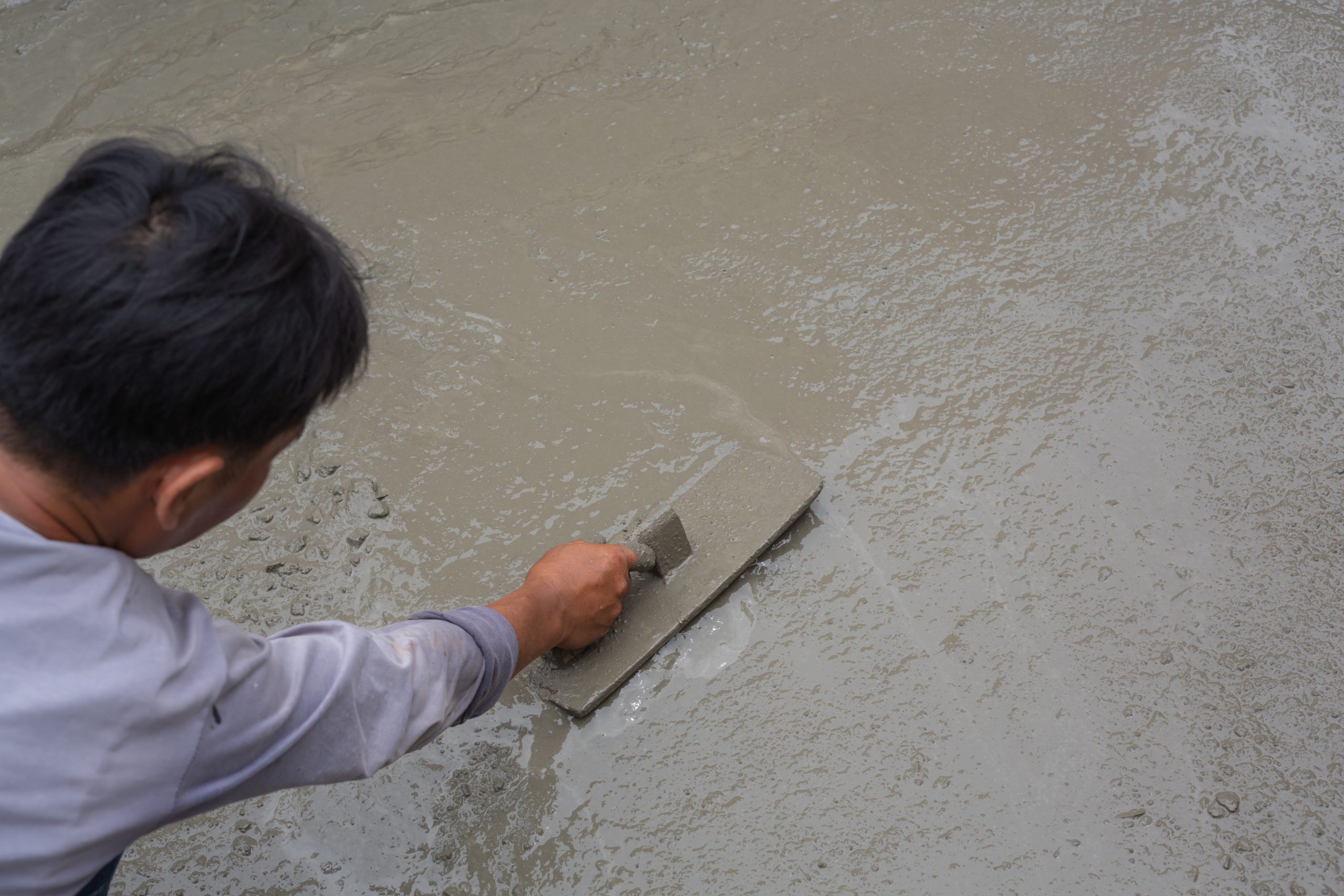
Many homeowners, frustrated by the problem, attempt quick fixes: applying sealant to a visible crack, repainting a stained area, or coating the wall with a waterproof paint. These solutions are temporary at best and damaging at worst.
Water trapped behind the wall doesn’t disappear. It will continue to:
- Travel laterally along steel reinforcement bars, causing corrosion.
- Weaken and crumble the internal plaster and masonry.
- Promote hidden mould growth that affects indoor air quality.
- Expand the affected area as the hydrostatic pressure builds.
Cosmetic repairs will inevitably fail within weeks or months because they do not eliminate the water source. A proper water leakage contractor focuses on a four-step process:
- Source Tracing: Using technology to find the exact point of entry.
- Moisture Path Analysis: Understanding how the water traveled to the visible spot.
- Targeted Repair: Fixing the cause of the leak, not the symptom.
- Controlled Drying: Ensuring the structure is completely dry before any restoration work begins.
- Only this sequence guarantees a durable, long-lasting repair.
Ceiling Leak Patterns That Reveal the True Problem Location
A leaking ceiling is alarming and inconvenient, but it also offers valuable clues to a trained eye.
Common Ceiling Leakage Patterns and Their Meaning
- Dripping or Staining Immediately After Rain: This strongly points to a source from the roof or a failure in the external wall’s flashing system.
- Continuous Dampness, Regardless of Weather: This suggests a plumbing leak from an upstairs bathroom or a failure in the waterproofing of a planter box or balcony above.
- Brown or Yellow Circular Stains: These are classic signs of prolonged, slow moisture exposure. The center of the stain is often the lowest point of the water pooling on the other side.
- Localised Bulging or Sagging: This is a critical warning sign that water has accumulated and is pooling above the ceiling board, creating significant weight and a risk of collapse.
Why Ceiling Leaks Are Misleading
The visible drip point on your ceiling is rarely the entry point. Water is remarkably adept at traveling. It will follow the path of least resistance, running along concrete beams, pipe conduits, and electrical trunking before gravity finally pulls it down to form a visible drip. The actual source could be several meters away—a leaking pipe joint in a neighbouring room or a crack in the roof slab above a store room.
This is why ceiling leakage repair performed without proper tracing is a gamble. Patching the ceiling board directly below the drip will not stop the water from finding another path, and the leak will simply reappear elsewhere.
Roof Water Leakage Repair: When the Problem Starts Above
Roof issues are among the most severe and often most overlooked causes of internal leakage, particularly in landed properties and condominiums with roof terraces.
Common Roof Leakage Causes in Singapore
- Ageing Waterproofing Membranes: The primary defence for any flat roof. Over time, exposure to UV radiation and thermal stress causes the membrane to become brittle, crack, and lose its waterproofing ability.
- Ponding Water: Poor drainage or an uneven roof surface can lead to standing water (ponding), which places constant pressure on the membrane and accelerates its degradation.
- Cracked Screed or Slab: Structural movement or thermal stress can cause the concrete roof slab itself to crack, creating a direct pathway for water.
- Failed Flashing Details: Flashing is the material used to seal joints and transitions (e.g., where a wall meets the roof). If this fails, water can easily penetrate.
- Flat roofs and roof terraces are especially vulnerable due to their constant, direct exposure to the elements.
Warning Signs of Roof Water Leakage
- Leaks appear only or predominantly after heavy rain.
- You notice widespread ceiling staining, often across a large area.
- Dampness appears on the walls of the top floor, near the ceiling line.
- There is a sudden increase in the volume of water leaking during a storm.
A proper roof water leakage repair strategy focuses on the integrity of the entire roofing system, not on applying temporary sealants to individual cracks.
The Cross-Contamination Effect: How One Leak Triggers Multiple Issues
An unresolved water leak in a building is never a static problem. It is a dynamic force that spreads. This is the “cross-contamination” effect.
Moisture will inevitably migrate from its source:
- Laterally: Across a concrete slab, from a wet area into a dry one.
- Vertically: Downwards through floor slabs and cracks, or upwards via capillary action in porous materials.
- Internally: Into adjacent wall and ceiling cavities.
This creates a destructive chain reaction:
- Wall seepage can travel upwards and sideways to create ceiling stains far from the source.
- Ceiling leaks drip onto flooring, causing damage and creating new damp spots.
- Persistent moisture from any source triggers widespread mould growth.
- Steel reinforcement bars within concrete and masonry begin to corrode, expanding and causing spalling (concrete cancer).
What begins as a minor water leakage from wall surfaces can, if left unaddressed, quickly escalate into a complex and expensive project involving multiple areas of the home.
DIY Diagnosis Checklist Before Calling a Water Leakage Contractor
While professional diagnosis is essential for a permanent fix, you can perform some basic observations to gather valuable information for the contractor. This pre-assessment can speed up the diagnostic process.
Simple Checks You Can Do
- The Rain Test: Note whether the leakage worsens, appears, or disappears after heavy rain. This is the single most important clue.
- The Timing Test: Track the timing. Is it continuous (24/7), suggesting a plumbing issue? Or is it intermittent, linked to specific times of day or weather events?
- The Source Survey: Identify all potential water sources near the affected area. Is there a bathroom, kitchen, aircon unit, roof, or balcony directly above or adjacent?
- The Expansion Test: Mark the edges of a stain with a pencil and date it. Photograph it daily. This will show you how fast and in what direction the moisture is spreading.
- Photo Documentation: Take clear photos of the stains and your observations over several days. This visual timeline is incredibly helpful for a contractor.
What Not to Do
- Do not seal visible cracks with caulk or cement plaster. This traps water inside.
- Do not repaint affected areas. This hides the evidence and makes professional diagnosis harder.
- Do not apply “miracle” waterproof coatings to the inside wall. These are temporary and can cause the wall to deteriorate from within.
These steps are for information gathering only. They are not a substitute for the precision of modern leak detection technology.
Technology-Assisted Detection: Thermal Imaging and Moisture Mapping
Modern, non-destructive leak detection has revolutionized how a professional water leakage contractor diagnoses problems. It replaces guesswork and exploratory hacking with precision and certainty.
Thermal Imaging for Leak Detection
Thermal imaging cameras detect subtle temperature differences on the surface of walls and ceilings. Because water has a different thermal capacity than dry building materials, a damp area will often appear as a cooler “thermal anomaly.” This allows a trained technician to “see” the extent of the moisture behind the surface without breaking a single tile or hacking a single wall.
Moisture Mapping for Accurate Diagnosis
Moisture meters are used to measure the precise moisture content of materials. By taking readings across a wide area, a technician can create a “moisture map”—a detailed picture of:
- Saturation Levels: How wet are the materials?
- Migration Paths: In which direction is the water traveling?
- Extent of Penetration: How far has the water damage spread?
Together, thermal imaging and moisture mapping enable a precise diagnosis. They pinpoint the source of the leak, define the full scope of the damage, and allow for a targeted, minimally invasive repair plan. This is the foundation of an effective home water leakage solution.
Choosing the Right Home Water Leakage Solution for Your Property Type
There is no one-size-fits-all solution for water leakage. The correct approach is dictated by the property type, its construction, and the origin of the leak.
For Condominiums and Apartments
- External Facade Waterproofing: Repairing cracks and reapplying coatings to external walls.
- Balcony and Planter Box Treatment: Removing tiles, replacing the failed waterproofing membrane, and reinstating the area.
- Roof Membrane Replacement: For penthouses and common areas with flat roofs.
- Internal Pipe Leak Isolation: Using epoxy injection or pipe re-lining to fix a leaking pipe without extensive hacking.
For Landed Properties
- Roof Waterproofing Systems: Comprehensive repair or replacement of membranes for flat roofs, or tile and flashing repairs for pitched roofs.
- External Wall Crack Injection: Using high-pressure epoxy or polyurethane injection to seal structural cracks from the inside or outside.
- Drainage Improvement: Regrading soil, cleaning clogged drains, and installing French drains to direct water away from the foundation.
- Basement and Foundation Waterproofing: Applying tanking systems or installing sump pumps to manage groundwater.
A reliable contractor will always prioritize source elimination. Their goal is not to conceal the symptom but to stop the water from ever entering your home again.
Regulatory & Health Considerations in Singapore
Unchecked water leakage is more than just a structural nuisance; it is a matter of health and legal compliance.
- Health Risks (NEA): The National Environment Agency (NEA) highlights that dampness and mould are significant contributors to respiratory issues like asthma and allergies. Ignoring a leak creates an unhealthy living environment for your family.
- Building Standards (BCA): The Building and Construction Authority (BCA) sets strict guidelines for waterproofing and building maintenance to ensure structural integrity and safety.
- HDB Responsibilities: For HDB flat owners, the Housing & Development Board has clear policies on the responsibilities of both the owner and the neighbour when a leak originates from an upstairs unit. Ignoring a leak can lead to formal disputes, mandatory inspections, and potential penalties.
Addressing a leak promptly is not just about protecting your property value; it’s about fulfilling your responsibilities as a homeowner and safeguarding your family’s health.
When to Call a Professional Water Leakage Contractor
Not every tiny spot requires emergency surgery, but many do. The real risk lies in waiting too long while attempting ineffective surface repairs. Water damage is progressive; it rarely improves on its own.
You should engage a professional water leakage contractor immediately if:
- The Leakage Source is Unclear: If you can’t confidently trace the water entry point, any repair you attempt will likely fail.
- Previous Repairs Keep Failing: If you’ve repainted or patched the same spot more than once, it’s definitive proof that the root cause was never addressed.
- Mould Growth or Musty Odours Appear: This signals a health risk and indicates the problem has been active for a while.
- Structural Elements are Deteriorating: Look for signs like spalling concrete (exposed, corroded rebar), sagging ceilings, or cracked and bulging plaster.
- Multiple Areas are Affected: If you have wall seepage, ceiling stains, and damp floors all occurring together, the issue is systemic and requires a holistic assessment.
- You Suspect a Roof or Facade Leak: These areas require specialist access equipment and technical knowledge for safe and effective repair.
What an Experienced Contractor Does Differently
A qualified contractor doesn’t start with a price for patching. They start with a diagnosis.
A professional assessment will always include:
- Holistic Evaluation: They look at the entire building envelope, not just the stain on your wall.
- Non-Destructive Detection: They use tools like thermal imaging and moisture meters to trace the water path without unnecessary damage to your home.
- Root-Cause Identification: They can confidently distinguish between a plumbing leak, a waterproofing failure, and a structural crack.
- A Targeted, Long-Term Solution: The repair plan addresses the source first, followed by proper drying, and only then, the restoration of finishes.
When leakage becomes persistent, widespread, or technically complex, calling a professional is not an expense—it is the most effective form of damage control.
Conclusion: Solving Water Leakage the Right Way
Water leakage is not a cosmetic issue. It is a symptom of a system failure within your building’s envelope. A lasting home water leakage solution begins with a single, non-negotiable step: an accurate diagnosis. It requires a fundamental understanding of how water migrates through concrete, masonry, and structural elements. Repairs must follow a strict sequence: address the source of entry, dry the structure completely, and then restore the damaged finishes. The work must be executed with technical precision to ensure the problem does not recur.
If you are facing water seepage in walls, persistent ceiling leaks, or a suspected roof issue in your condominium or landed property, early intervention is critical. What appears as a minor stain today can quickly escalate into widespread structural deterioration and significantly higher costs if left unresolved. Roof Doctors specializes in the comprehensive diagnosis and repair of water leaks for all property types in Singapore. Our focus is always on eliminating the root cause, not masking the symptom. When water appears where it shouldn’t, the real problem is rarely where you first see it. Contact us for a thorough assessment and a permanent solution.