


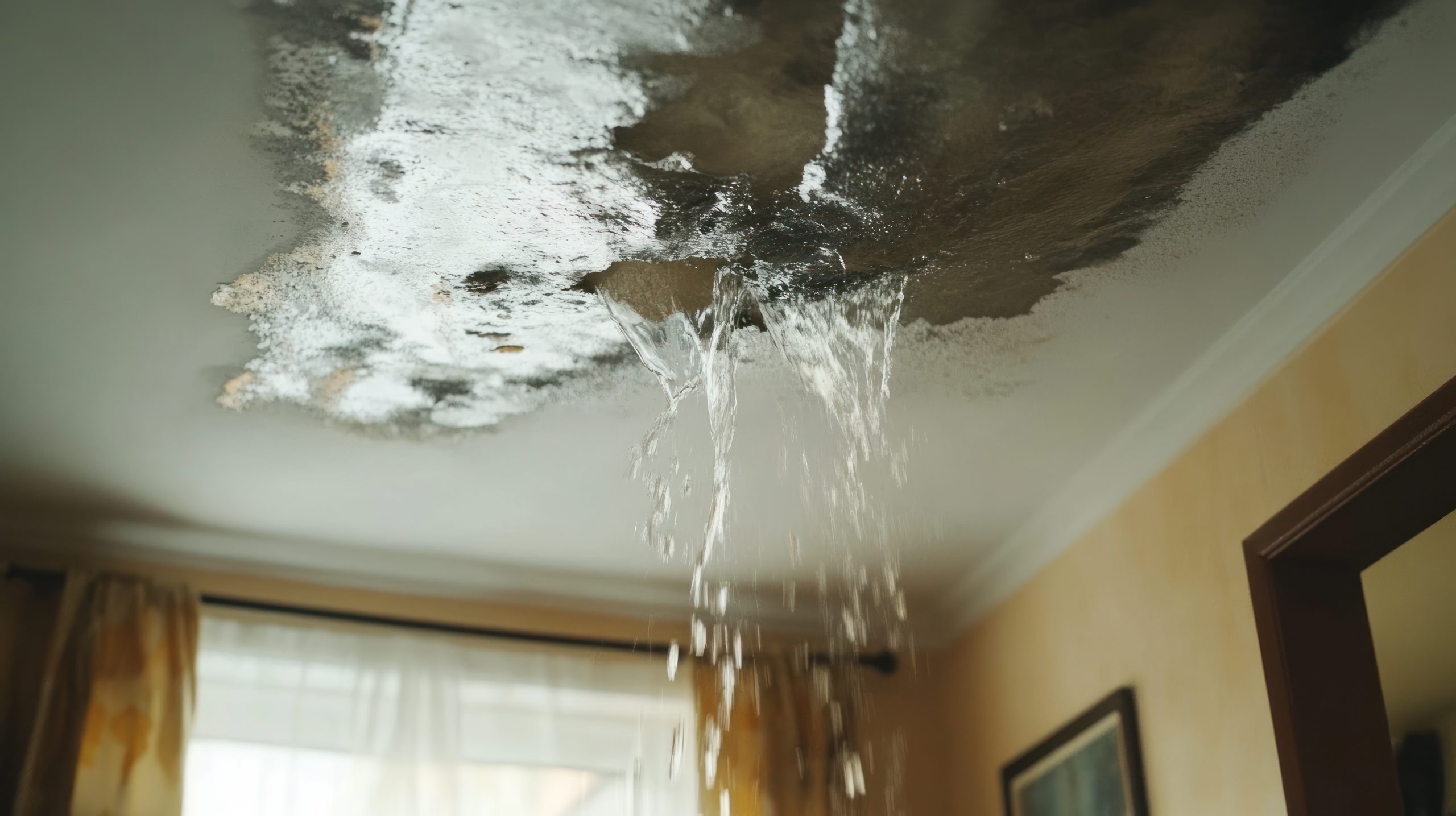
A roof leak rarely announces itself with a dramatic collapse. It often starts subtly—a small, damp patch on the ceiling, a faint drip during a downpour, or a yellowish stain you mentally note to “keep an eye on.” In many climates, this might be a minor issue. But in Singapore, that hesitation is the first step toward a much larger, more expensive problem. The reality for homeowners and property managers is simple: once a roof leak appears, you have a critical window of roughly 48 hours to act. After this point, the damage stops being linear and begins to multiply. What could have been a simple, contained roof leakage repair can quickly spiral into a complex project involving mould remediation, structural repairs, and bills that are several times higher.
This article explains why that 48-hour window is so crucial, how Singapore’s unique climate accelerates damage, and why contacting a professional roof leakage contractor in Singapore immediately is the most cost-effective decision you can make.
How Singapore’s Humidity Accelerates Secondary Damage
Singapore’s tropical climate is notoriously unforgiving to building structures. The combination of high humidity, intense rainfall, and consistently warm temperatures creates a perfect storm for rapid deterioration once a roof’s integrity is breached.
When water enters through a compromised roof:
- Moisture does not evaporate: Unlike in drier climates, the ambient air is already saturated with moisture, meaning damp materials like ceiling boards and insulation stay wet for extended periods.
- Water migrates: Instead of staying put, water begins to travel laterally through porous concrete and along structural surfaces, spreading the zone of damage far from the original leak source.
- Materials degrade: Within the first 24 hours, moisture begins soaking into ceiling boards, weakening their structure and compromising the integrity of underlying screed layers and waterproofing membranes.
By the 48-hour mark, secondary damage is usually well underway, even if the visible leak on your ceiling still looks minor. This is why experienced property managers don’t wait for “heavy rain confirmation” to take action. They understand the urgency and immediately seek out a roof leakage repair specialist at the first sign of trouble.
The Mould Timeline: From Leak to Health Hazard
One of the most insidious consequences of a delayed repair is mould growth. Many believe mould takes weeks to develop, but in Singapore’s humidity, it often takes only days.
Once moisture becomes trapped in a ceiling void or roof slab:
- Activation: Mould spores, which are always present in the air, find the damp surface ideal for germination and activate within 24 to 48 hours.
- Proliferation: Colonies begin to spread rapidly behind walls and above ceiling tiles, often growing extensively before any visible stains or discolouration appear on your ceiling’s surface.
- Health Impact: As the mould colony grows, it releases airborne spores that degrade your indoor air quality.
This is not just a cosmetic issue. According to guidelines from the National Environment Agency (NEA), prolonged indoor dampness and mould growth can increase the risk of respiratory irritation, allergic reactions, asthma flare-ups, and persistent musty odours that are extremely difficult to eliminate.
At this stage, a simple roof leak repair in Singapore transforms into a multi-faceted project requiring:
- Professional mould remediation and sanitisation.
- Replacement of contaminated ceiling boards and insulation.
- Addressing the underlying indoor air quality concerns.
All of this—and its associated cost—can be traced back to allowing a simple leak to sit unaddressed for just a few days.
Structural Compromise: When Water Reaches Reinforcement Bars
This is where delays become exponentially more expensive. A common misconception is that concrete is waterproof. In reality, concrete roof slabs are porous and rely on protective membranes and layers to prevent water from reaching the steel reinforcement bars (rebars) embedded within them.
Once a leak penetrates these defences:
- Corrosion Begins: Water reaches the embedded steel, and the corrosion (rusting) process begins almost immediately.
- Expansion and Cracking: Rust occupies a larger volume than the original steel. As it expands, it exerts immense internal pressure on the surrounding concrete, causing it to crack and spall (flake away).
- Structural Weakening: This process, known as “concrete cancer,” compromises the structural integrity of the slab, reducing its load-bearing capacity.
This type of damage is slow to reverse and incredibly costly to repair. The Building and Construction Authority (BCA) consistently encourages early, preventive maintenance because corrosion-related structural repairs often cost multiple times more than a straightforward roof leakage repair. By the time you see rust stains on your ceiling or notice concrete cracks, the hidden damage is already severe.
Insurance Claim Complications from Delayed Action
It’s a common assumption that home insurance will automatically cover any roof leak damage. However, this assumption can be financially risky.
In Singapore, insurers typically distinguish between two types of damage:
- Sudden and Accidental Damage: This is generally covered. An example would be a fallen tree branch punching a hole in your roof during a storm.
- Progressive Deterioration or Neglect: This is often excluded from standard policies. An insurer may classify a long-term, unattended leak as a maintenance issue.
If a roof leak is documented but left unrepaired:
- Your claim for the resulting damage may be significantly reduced.
- Your claim could be rejected entirely, leaving you to bear the full cost of repairs.
- You could be held responsible for the secondary damage (like mould or structural issues) caused by the delay.
Insurers frequently request maintenance records and repair timelines. Delaying beyond a reasonable response window, especially once visible signs of a leak are present, severely weakens your position. Calling a roof leakage contractor in Singapore immediately after discovering a leak protects not just your building, but also the validity of any future insurance claim.
Emergency vs. Scheduled Repair: The True Cost Analysis
To understand the financial impact of timing, let’s compare two common scenarios for a roof leakage repair.
Scenario A: Action Within 48 Hours
- Leak Source: Identified quickly and easily.
- Repair: Localised repair to the waterproofing membrane or flashing.
- Damage: Minimal to the ceiling board and structural slab.
- Scope: Predictable, contained, and manageable.
- Typical Outcome: Lower overall cost, shorter repair time (1-2 days), and minimal disruption to your home or daily life.
Scenario B: Delayed Action (1–3 Months)
Leak Source: Difficult to trace as water has migrated.
- Repair: Requires a more comprehensive solution, possibly including overlying.
- Damage: Moisture has spread, mould has developed, and concrete deterioration has begun. Ceiling finishes are failing.
- Scope: Unpredictable and complex.
- Typical Outcome: Emergency works that are difficult to schedule, involvement of multiple trades (roofers, mould remediators, plasterers), significantly higher costs, and longer downtime for your property.
What many homeowners call an “emergency repair” is often not the result of the leak itself, but the consequence of delaying the initial fix. A skilled roof leak repair specialist can often stabilise and repair a leak efficiently and affordably when called within that 48-hour window. Waiting removes that advantage entirely.
Why the 48-Hour Window Is the Turning Point
The first 48 hours after discovering a roof leak are the most critical period for your wallet and your property. This window determines:
- Whether the damage remains localised or spreads throughout your home.
- Whether mould takes hold and becomes a health hazard.
- Whether structural steel elements are affected.
- Whether your repair costs remain controlled and predictable.
After that window closes, costs don’t just rise incrementally; they compound. This is why the professional advice from every reputable roof leakage repair specialist is consistent: if you suspect a roof leak, treat it as a time-sensitive emergency.
Who to Call When a Roof Leak Appears
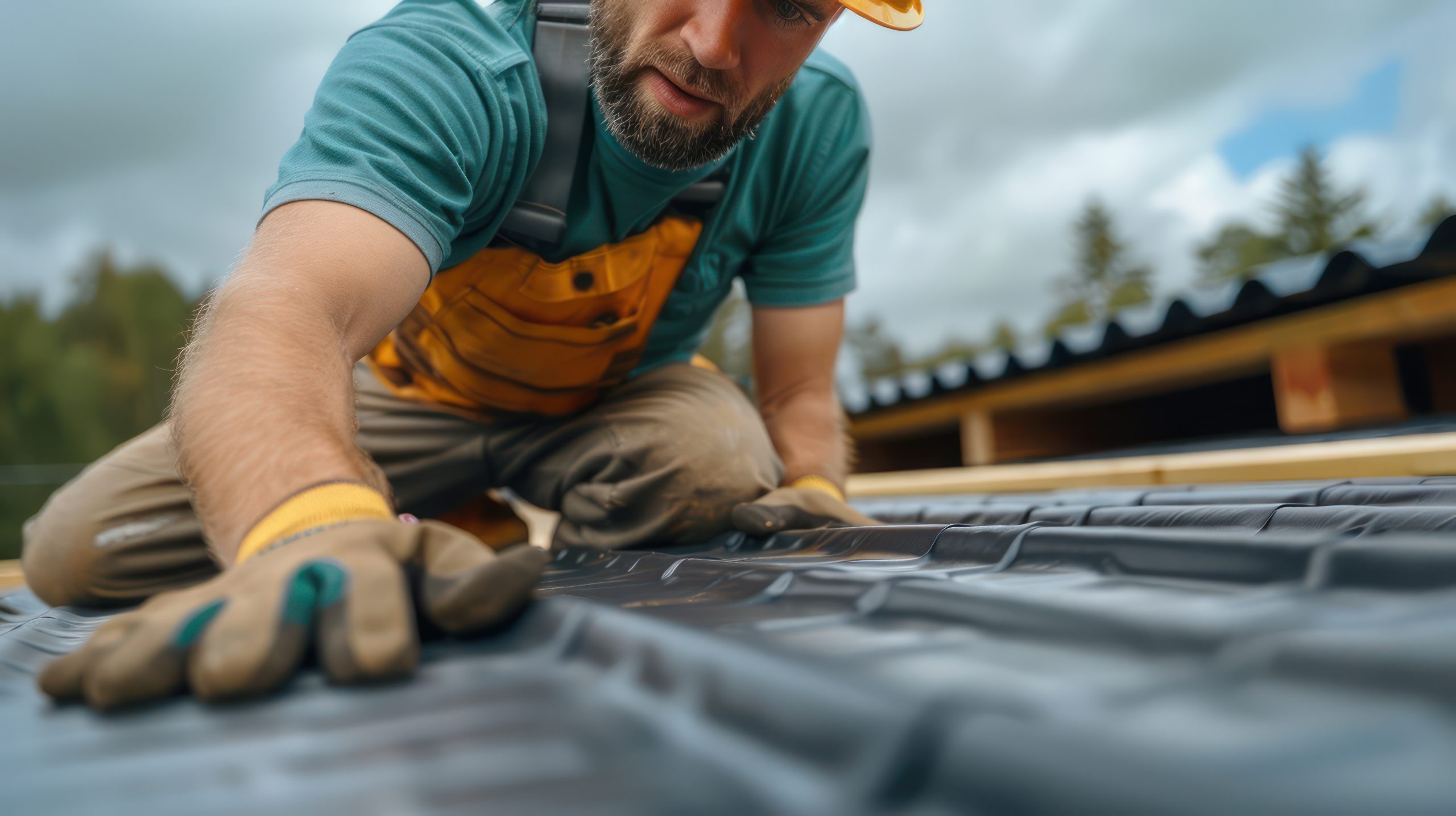
Not all contractors are equipped to diagnose and fix roof leaks properly. A temporary patch applied without understanding the true source of the water ingress often leads to repeated failures and, eventually, the more expensive scenario described above.
You need a roof leakage repair specialist who can:
- Scientifically trace water ingress paths, even when they are not directly above the visible stain.
- Understand the complexities of slab, membrane, and flashing systems.
- Recommend and implement permanent, lasting solutions rather than just masking the symptoms.
At Roof Doctors, our approach focuses on stopping the leak at its origin. We provide a thorough diagnosis and a durable repair plan designed to protect your home for the long term.
Conclusion: Delay Is the Most Expensive Choice
In Singapore’s demanding climate, a roof leak is never “just a small issue.” Within 48 hours, a chain reaction begins that can threaten your family’s health, compromise the structure of your home, complicate insurance claims, and dramatically inflate repair costs. Acting early isn’t about panic; it’s about maintaining control over the situation and your finances.
If you notice the signs of a roof leak—a damp patch, a stain, or a drip—the smartest financial and safety decision is also the simplest one: Contact a qualified roof leak repair specialist immediately.
FAQs
How quickly can a roof leak cause damage in Singapore’s climate?
Secondary damage, such as mould growth and material saturation, can begin within 24 to 48 hours of a leak starting, due to Singapore’s high humidity and warm temperatures.
How much does roof leak repair cost in Singapore?
Costs vary significantly based on the timing of the repair. Early intervention for a localised leak is substantially cheaper than a delayed, multi-trade remediation project that involves mould treatment and structural repairs.
Who should I call for a roof leak in Singapore?
You should call a qualified roof leakage contractor in Singapore with specific experience in waterproofing and concrete structures, rather than a general handyman.
Can a small roof leak become a big problem?
Yes. Small leaks often cause hidden damage that spreads unseen. By the time the problem becomes visibly significant, the cost and complexity of the repair have often multiplied.
Does my insurance cover roof leak repairs in Singapore?
Coverage depends on your specific policy. Insurers typically cover “sudden and accidental” damage but may exclude claims resulting from progressive deterioration or lack of maintenance (neglect).
How do I know if my roof leak needs emergency repair?
If water ingress is active during rain, if the damp patch is spreading, or if the leak is recurring, it should be treated as urgent to prevent the rapid escalation of damage.