

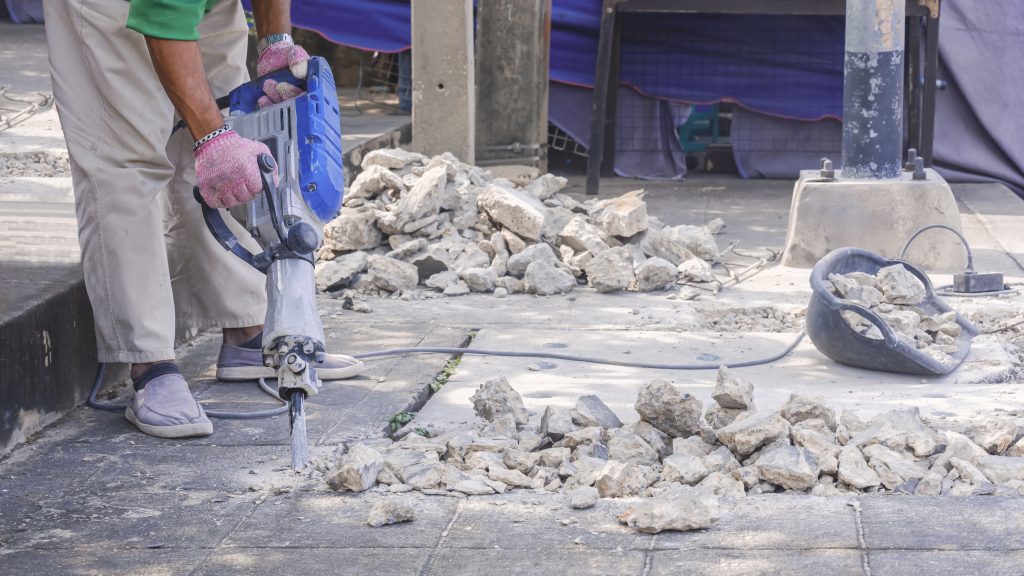
Concrete looks solid. Permanent. Almost invincible. That’s exactly why spalling concrete is so easy to put off — until the cost to fix it has quietly doubled, or worse, someone gets hurt. For property owners, building managers, and MCSTs managing multi-story buildings in Singapore, delay is never neutral. Every month without repair adds corrosion, structural risk, and liability exposure. And in a high-rise environment, deterioration in one location rarely stays there. This article breaks down what prolonged inaction actually costs — structurally, legally, and financially. If you’re already noticing signs of deterioration, the case for engaging a qualified spalling concrete contractor sooner rather than later will become very clear.
Structural Integrity Timeline: From Surface Damage to Safety Hazard
Spalling concrete follows a predictable and largely preventable path. In Singapore’s humid, chloride-rich coastal climate, moisture infiltrates concrete through hairline cracks, aging waterproofing, and natural surface porosity. Once it reaches the embedded steel reinforcement, corrosion begins. Corroding steel expands — up to four times its original volume — and that expansion forces the surrounding concrete outward. Cracking, flaking, and chunks breaking away are the visible result.
Stage 1: Early-Stage Damage
Caught early, repairs are targeted and affordable. The work typically involves localised patching, surface preparation, and reinstatement of protective coatings. Disruption is minimal, the cost is predictable, and the timeline is short. This is the stage where a spalling concrete contractor can resolve the issue cleanly, with no wider structural implications.
Stage 2: Progressive Deterioration
Left unaddressed, the same damage escalates. Reinforcement bars corrode more deeply, the bond between steel and concrete weakens, and affected surface area expands. At this stage, concrete floor repairs that were once straightforward begin to involve more preparation, more materials, and more access complexity.
Stage 3: Structural and Safety Risk
Once deterioration reaches this point, the problem is no longer cosmetic. Load-bearing capacity diminishes, and the risk of falling concrete debris from height becomes a genuine public safety concern. What started as a maintenance task becomes a structural remediation project requiring scaffolding, access systems, and weeks of coordinated work.
Insurance and Liability Implications for Building Owners
Many building owners assume insurance will cover spalling concrete repairs. That assumption can be expensive to test.
What Most Building Insurance Policies Actually Cover
Most policies in Singapore draw a clear distinction between sudden accidental damage and gradual deterioration caused by deferred maintenance. Spalling concrete, particularly when evidence of existing damage can be established, almost always falls into the latter category. When inspections or incident reports show visible deterioration that was left unaddressed, insurers may reduce payouts, reject claims entirely, or shift liability back to the owner or MCST.
When Liability Becomes a Legal Matter
That exposure becomes significantly worse if falling concrete injures an occupant, damages a vehicle, or causes injury to a member of the public. At that point, the question shifts from insurance coverage to negligence. Documented inaction — visible deterioration that was left unrepaired — weakens any legal defence considerably.
Singapore’s Regulatory Obligations
Singapore’s regulatory framework, shaped by guidance from the Building and Construction Authority (BCA) and the Ministry of National Development (MND), places clear responsibility on building owners to maintain structural safety.
The Domino Effect: How One Unit’s Spalling Impacts Neighbouring Properties
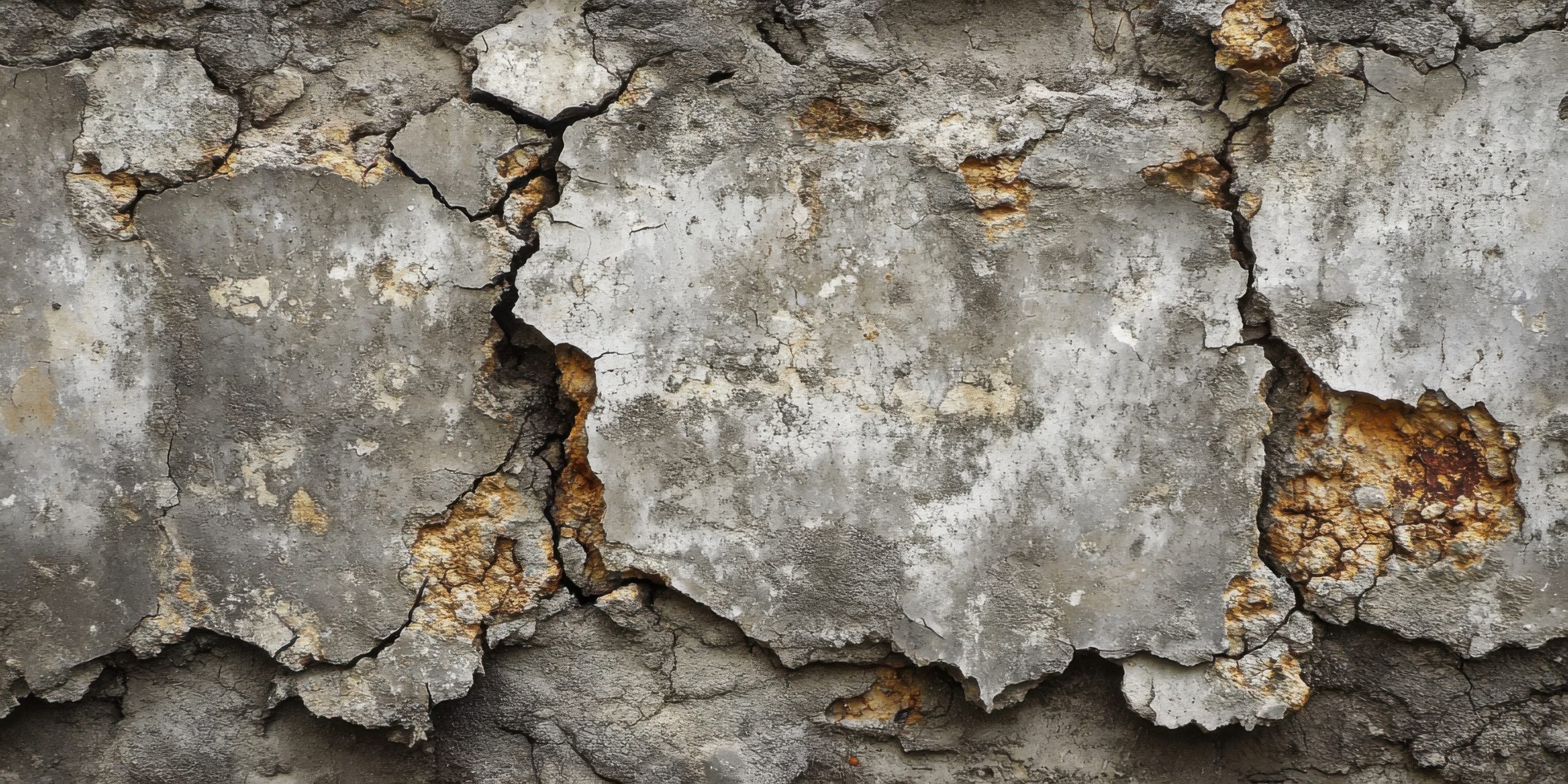
In multi-story buildings, structural elements do not exist in isolation. Slabs, beams, façades, and balcony overhangs are interconnected — vertically and horizontally — which means deterioration in one location rarely stays contained.
How Moisture Spreads Beyond a Single Unit
A spalling balcony slab or external wall that shares a structural connection with adjacent units becomes a shared problem. Moisture does not respect property boundaries. Water that infiltrates through a crack migrates along reinforcement bars and accelerates corrosion in connected sections of concrete, often without any visible sign until the damage has already spread to neighbouring units above, below, and beside the original defect.
The Knock-On Damage
Over time, this expansion can compromise ceilings and balcony undersides in neighbouring units, trigger water ingress complaints across multiple floors, and cause secondary damage to finishes, electrical fixtures, and waterproofing systems that were never originally affected.
The MCST Management Problem
For building managers and MCSTs, this spread creates a significant operational burden. What could have been a straightforward repair becomes a complex multi-stakeholder issue — disputes over responsibility, cost allocation between individual owners and common property funds, coordination of access across multiple units, and temporary safety measures in common areas. Early intervention by a competent spalling concrete contractor keeps deterioration localised and keeps that management burden from materialising.
Resale Value Impact: What Property Valuers Look For
Property valuers assess risk as much as they assess location or square footage. Visible concrete deterioration sends a clear signal: deferred maintenance, probable structural liability, and elevated future capital expenditure.
Impact on Residential Properties
For residential buildings, unresolved spalling can result in lower valuation reports, buyer negotiations or walkaway decisions, and delays caused by mandatory engineer assessments before a transaction can proceed. In a competitive market, buyers have options — a building with visible defects and no documentation of repair is a liability they can walk away from.
Impact on Commercial Properties
For commercial properties, the effect is sharper still. Tenants and institutional investors factor maintenance risk directly into rental yield calculations and offer prices. A building with documented, unresolved defects is a more expensive asset to finance, sell, or lease.
How Documentation of Concrete Floor Repairs Helps
Well-documented concrete floor repairs and façade maintenance tell the opposite story. They demonstrate proactive asset management, reduce the buyer’s perception of future risk, and often translate into stronger valuations and faster transactions. In a market as informed as Singapore’s, that documentation has genuine monetary value.
Emergency Repair Costs vs Scheduled Maintenance Investment
The financial contrast between acting early and reacting late is stark, and it becomes most visible in high-rise environments where access alone is a significant cost.
What Scheduled Repairs Look Like
Planned spalling concrete repairs involve pre-arranged access setup, targeted repair zones, and predictable budgets. Occupant disruption is minimised because the work is coordinated in advance. The scope is defined before the contractor arrives, and costs are controlled from the start.
What Emergency Repairs Actually Cost
Emergency repairs are a different proposition. Immediate scaffolding or boom lift deployment, after-hours premiums, temporary safety barriers, and unplanned operational disruption can collectively exceed the cost of the repair itself. In high-rise residential or commercial buildings, emergency access to an upper-floor defect has been known to cost more than an entire scheduled maintenance programme would have.
The Cost-Control Case for Acting Early
From a pure financial perspective, engaging a professional spalling concrete contractor at the first sign of deterioration is not about spending more — it is about preventing costs from escalating beyond the point where they are manageable.
Act Early, Spend Less, Protect More
Spalling concrete does not improve with time. It compounds — quietly, steadily, and expensively. For multi-story buildings in Singapore, the decision to delay repairs is never a neutral one. It affects structural safety, legal liability, property value, and long-term maintenance budgets simultaneously.
Why Professional Repairs Outlast DIY Fixes
Professional repairs go beyond patching the visible surface. A qualified contractor identifies the true extent of corrosion, treats or replaces affected reinforcement, uses compatible repair mortars matched to the existing structure, and restores the protective coatings that prevent recurrence. Superficial patching without addressing the root cause — a common outcome of DIY attempts or under-specified work — typically fails within months, creating repeat repairs and compounding costs.
The Value of Documented Repair Records
Professional contractors also produce documented repair records, which matter significantly for insurance claims, MCST reporting, and future resale or refinancing. In Singapore’s regulatory environment, that paper trail is an asset in itself.
Get a Professional Assessment
If you’re managing a condominium, commercial building, or landed property showing signs of concrete deterioration, a professional assessment is the right first step. Roof Doctors specialises in concrete repair solutions designed for Singapore’s climate and building conditions. The earlier the assessment, the more options you have — and the lower the cost.
Frequently Asked Questions
What causes spalling in concrete buildings in Singapore?
Moisture reaching the steel reinforcement inside the concrete. Once it does, the steel corrodes, expands, and fractures the concrete from the inside out. Singapore’s humidity, rainfall, and coastal air accelerate the process — and aging or failed waterproofing makes buildings even more vulnerable.
How much does it cost to repair spalling concrete in a multi-story building?
Early-stage repairs cost significantly less than structural remediation. The exact figure depends on severity, affected area, and access requirements — but in high-rise buildings, scaffolding alone can be a major cost driver. Acting early is almost always the more economical decision.
Is spalling concrete dangerous if left unrepaired?
Yes. Falling concrete debris from height is an immediate safety hazard to occupants and pedestrians. Over time, unchecked corrosion also reduces the structural capacity of beams, slabs, and columns. Under Singapore’s building regulations, visible and unaddressed deterioration is a maintenance obligation — not a cosmetic concern.
How often should concrete be inspected for spalling?
Annual inspections are the recommended baseline for most buildings. Coastal buildings and those over 20 years old should be checked more frequently. If you’re already seeing cracking, staining, or surface delamination, don’t wait — get an assessment done immediately.
Can I repair spalling concrete myself, or do I need a professional contractor?
You need a professional. DIY patching that doesn’t address the underlying corrosion typically fails within months and can make things worse by trapping moisture. A qualified contractor treats the reinforcement, uses compatible repair mortars, and restores the protective coatings that prevent recurrence.
Does building insurance cover spalling concrete repairs in Singapore?
Generally, no. Most policies exclude deterioration that develops gradually from deferred maintenance, which is how spalling is almost always categorised. If visible damage existed before a claim is made, insurers may reduce or reject the payout. Regular inspection records and prompt repairs are your best protection.