RC Roof & Gutter Slab Waterproofing Singapore

Reinforced-concrete (RC) flat roofs, gutters and slabs take the full brunt of Singapore’s weather: hours of direct sun, ponding water after every downpour, and foot traffic on top. That mix breaks down the wrong waterproofing fast. Pick a system that doesn’t match the load and exposure, and it fails within a couple of monsoons. Match it properly, and it protects the slab for years.

We inspect the slab first, compare the methods that suit it, and recommend what actually holds up, whether it’s a rooftop, a condo podium or a landed flat roof. Every job starts with a free inspection and comes with a workmanship warranty.
Call Us

What Is an RC Slab, and Why Does It Leak?

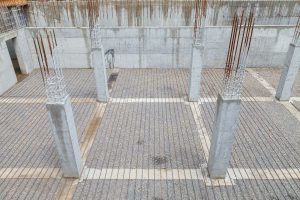
An RC (reinforced concrete) slab is a structural concrete surface strengthened with steel rebar. It’s used for flat roofs, gutters and podium decks across most Singapore developments. The slab has to do two jobs at once: carry weight and keep water out.

Concrete looks solid, but it’s porous. Over time, hairline cracks open from thermal movement, shrinkage and structural load, and water works its way in through them. Once water reaches the steel rebar inside, the steel rusts. Rust takes up more space than the original steel, so it pushes outward and cracks the concrete from within. This is called concrete spalling, and it’s how a small leak turns into structural damage.

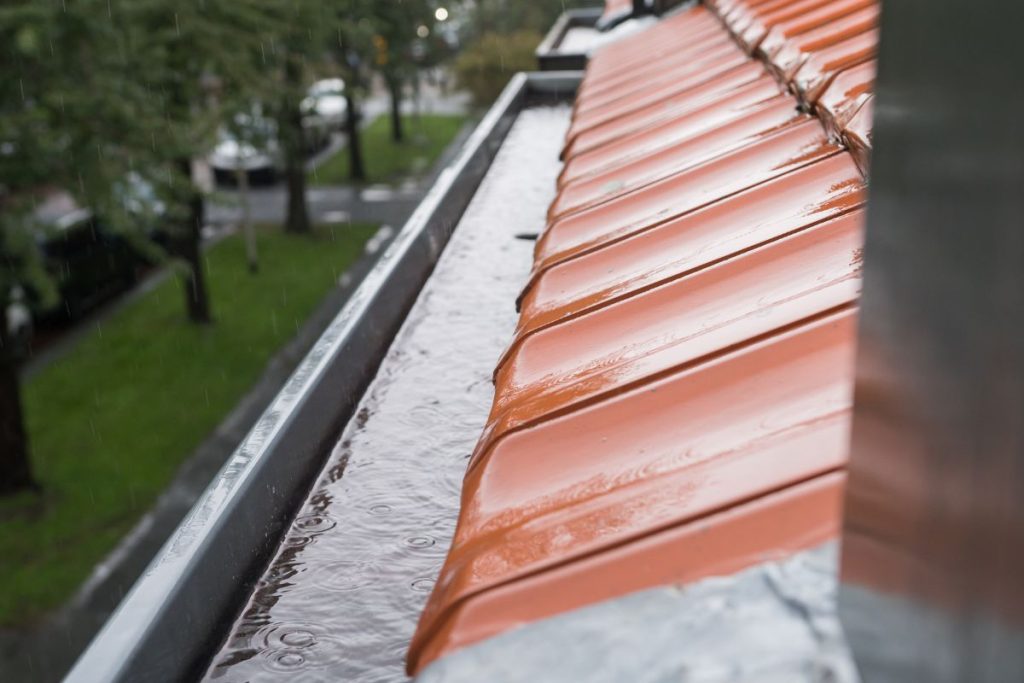
Ponding makes it worse. A flat roof that doesn’t drain properly holds standing water for hours after rain, and constant water pressure finds every weak point. Good waterproofing keeps water off the surface and away from the rebar, so the slab stays sound and you avoid the far bigger cost of concrete repair later.

What is an RC slab

Common signs an RC slab needs attention:

  • Water stains or damp patches on the ceiling below
  • Bubbling paint or peeling plaster on the underside of the slab
  • Visible cracks, ponding or pooled water on the roof surface
  • White salt marks (efflorescence) where moisture is tracking through
  • Exposed or rusting rebar and flaking concrete

Waterproofing Methods Compared

No single system suits every job. The right choice depends on the condition of the slab, how exposed it is, how much traffic it takes, and the budget. Here’s how the main options compare, and where each one earns its place.

Method Durability Best for
PU injection Targeted / medium Active leaks and cracks
Cementitious waterproofing Good Wet areas and gutters
Liquid-applied membrane High Flat roofs and complex shapes
Torch-on membrane Very high Large exposed RC roofs

PU injection
Polyurethane injection is a targeted repair for active leaks and cracks. We inject PU resin directly into the crack, where it expands and seals the water path from inside the concrete. It’s the right fix when you have a specific leak to stop rather than a whole surface to protect, and it works even while the crack is damp.

Cementitious waterproofing
A cement-based coating that bonds tightly to concrete and handles constant moisture well. It suits gutters, wet areas and enclosed surfaces. It’s cost-effective and easy to apply, though it’s more rigid than a membrane, so it’s less suited to surfaces that flex or move a lot.

Liquid-applied membrane
A liquid coating that cures into a single seamless waterproof layer with no joints for water to find. Because it’s applied as a liquid, it wraps cleanly around drains, upstands, pipes and awkward shapes, which makes it a strong choice for flat roofs with complex detailing. It gives high durability and flexes with the slab.


Applications & Load Considerations

The same roof area can need very different systems depending on what sits on top of it and how often people use it. Foot traffic, screed, tiling and finishes all shape the choice, and whether a protection layer is needed at all.

Condo podium

Condo podium decks

Podiums often carry landscaping, planters, walkways or parked cars. That’s heavy, constant load, so the membrane underneath has to be tough and protected. A podium deck carrying vehicles needs a far more robust, protected system than a roof no one walks on, usually with a screed or protection layer over the waterproofing to take the wear.

Landed flat roof

Landed flat roofs and roof terraces

Accessible terraces get regular foot traffic, furniture and sometimes finishes laid on top. These need a system rated for traffic, with the right protection so the waterproofing isn’t damaged by daily use.

Gutters and enclosed channels

Gutters hold water longer than open surfaces and are tight to work in. Cementitious systems and liquid membranes handle these well because they bond fully to the concrete and seal into corners and falls.

We factor load, traffic and finishes into every recommendation, so the system we specify matches how the roof is actually used, not just its size.


Applications & Load Considerations

The same roof area can need very different systems depending on what sits on top of it and how often people use it. Foot traffic, screed, tiling and finishes all shape the choice, and whether a protection layer is needed at all.

Landed flat roof

Landed flat roofs and roof terraces

Accessible terraces get regular foot traffic, furniture and sometimes finishes laid on top. These need a system rated for traffic, with the right protection so the waterproofing isn’t damaged by daily use.

Condo podium

Condo podium decks

Podiums often carry landscaping, planters, walkways or parked cars. That’s heavy, constant load, so the membrane underneath has to be tough and protected. A podium deck carrying vehicles needs a far more robust, protected system than a roof no one walks on, usually with a screed or protection layer over the waterproofing to take the wear.

Gutters and enclosed channels

Gutters hold water longer than open surfaces and are tight to work in. Cementitious systems and liquid membranes handle these well because they bond fully to the concrete and seal into corners and falls.

We factor load, traffic and finishes into every recommendation, so the system we specify matches how the roof is actually used, not just its size.


Why Choose Roof Doctors

Why Roof Doctors

  • Specialist waterproofing and roofing contractor, 15+ years in Singapore
  • Free inspection and written quote, no obligation
  • BizSafe and BCA-registered (ROC 201132164H)
  • Workmanship warranty on every job
  • Honest method recommendations based on your slab, not a one-size-fits-all upsell

Coverage

  • Condo and landed homes
  • Commercial and industrial
  • Singapore-wide

Get A Free Quote

Fields marked with * are required

    Frequently Asked Questions

    Q. Which waterproofing method lasts longest?

    For large exposed RC roofs, torch-on and liquid-applied membranes last longest. For active cracks, PU injection is the right targeted fix. We recommend based on your slab, its exposure and how it’s used, rather than pushing one system for every job.

    Q. What warranty do you provide?

    A workmanship warranty on the waterproofing works, confirmed in writing with your quote. Some membrane systems also carry a separate material warranty from the manufacturer, and we’ll tell you which apply.

    Q. Can you walk on the waterproofed roof afterwards?

    Yes, if it’s specified for traffic. Where foot or vehicle traffic is expected, we add a protection or screed layer over the membrane so daily use doesn’t wear through the waterproofing.

    Q. Can you waterproof over the old membrane?

    Sometimes, but only if the existing layer is still sound and dry. Often it’s better to strip and redo the work so you don’t trap moisture underneath, which would fail again from below. The inspection decides which is safe.

    Q. Do you handle condo rooftops?

    Yes. We handle condo podiums and landed flat roofs, plus commercial and industrial buildings, Singapore-wide.

    Q. My roof ponds after rain. Is that a problem?

    Ponding puts constant pressure on the waterproofing and speeds up failure. We check the falls and drainage during the inspection, and where needed we correct the falls so water runs off instead of sitting.

    Q. How long does the job take?

    It depends on the area and the system chosen. A targeted PU injection can be quick, while a full membrane over a large roof takes longer. You get a clear timeline with your quote before we start.