


A toilet leak usually shows up in someone else’s home first. The neighbour below finds a brown stain on the bathroom ceiling, or a drip near the light. By then water has been soaking through the floor slab for weeks. This guide covers the signs, the usual causes in HDB and condo bathrooms, the checks you can do yourself and how we repair a toilet leak so it stays fixed.
Signs your toilet is leaking
Some signs appear in your own flat. Others only show up downstairs. A call from your neighbour is often the first warning.
- A damp patch or drip on the ceiling of the unit below your bathroom
- Dark grout lines that stay wet long after the last shower
- Floor tiles that sound hollow when tapped, or have started to lift
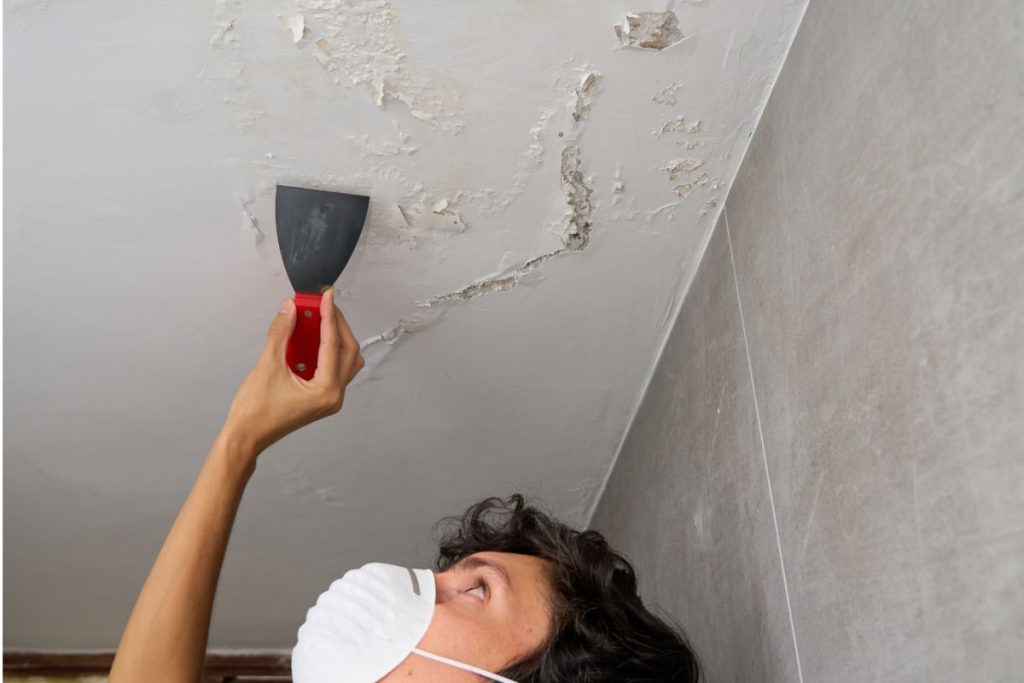
- Peeling paint or a damp skirting on the wall outside the bathroom
- A musty smell that never quite clears
A damp wall next to the bathroom can also come from a pipe inside the wall. Our wall leakage repair page explains how we trace those.
What causes toilet leakage
Failed waterproofing membrane
Every bathroom floor has a waterproofing membrane under the screed and tiles. After years of daily use it cracks, most often at the corners and around the floor trap. Water then passes straight through the slab.
Cracked grout and tile joints
Grout is porous. Once it cracks or wears down, water from every shower runs into the joints and sits on the membrane. A sound membrane copes for a while. A tired one fails faster.
Floor trap and pipe joints
The joint where the floor trap meets the slab is the weakest point in most bathrooms. Old sealant shrinks and opens a gap, and water runs around the trap into the slab.
Concealed water pipes
A supply pipe hidden in the wall or floor leaks all the time, whether anyone uses the bathroom or not. That pattern points away from the membrane and toward the plumbing.
Shower screens and bathtub edges
Silicone along the shower screen or bathtub dries out and peels. Splash water then gets behind the tiles at the edge.
Checks you can do before calling anyone
- Turn off every tap and note the water meter reading. If the reading moves over the next hour with nothing running, a supply pipe is leaking.
- Ask your neighbour when the drip appears. A drip that follows your showers points to the floor or grout. A drip that never stops points to a pipe.
- Look at the grout lines and the silicone around the shower screen and floor trap for cracks and gaps.
- Take dated photos of the stain below. They help if you and the neighbour later split the cost.
Do not flood the bathroom floor to test it yourself. A contractor runs a controlled ponding test with the neighbour’s agreement and keeps the damage downstairs from getting worse.
How to repair toilet leakage properly
The repair depends on what failed. A good contractor tells you which one applies before quoting, because the cost and the disruption differ a lot.
| Cause | Repair | Disruption |
|---|---|---|
| Cracked grout or tile joints | Rake out and re-grout with epoxy grout | Low, usually a day |
| Local cracks in the membrane | PU injection under the tiles to seal the leak path | Low, no hacking |
| Membrane failed across the floor | Hack the tiles, lay a new membrane, re-tile | High, bathroom out of use for several days |
| Leaking concealed pipe | Repair or reroute the pipe, then make good | Medium |
Re-grouting and PU injection grouting avoid hacking in many cases. Injection seals the path the water takes, but it cannot replace a membrane that has failed across the whole floor. In that case the only lasting fix is to strip and redo the waterproofing.
Who pays when your toilet leaks into the flat below
In an HDB block, a leak through the floor slab between two flats counts as an inter-floor leak. HDB expects the owners above and below to work together to fix it and share the cost. The HDB ceiling drip guide explains how this usually plays out.
In a condo, the answer depends on whether the leak starts in your unit or in common property. See condo ceiling dripping: MCST vs owner for the split. Some home policies also cover the damage downstairs, which our ceiling leak insurance claim guide covers.
When to call a waterproofing contractor
- The stain below keeps growing after you re-sealed the obvious gaps
- The water meter test shows a leak you cannot find
- Tiles have lifted or sound hollow across a large part of the floor
- You need a written report to settle cost-sharing with a neighbour
Roof Doctors traces the source with moisture meters and a controlled ponding test, then recommends the smallest repair that will hold. Our ceiling leakage repair team also handles the stain in the flat below after the leak stops. If the stain is not under a bathroom at all, our guide to why your ceiling is leaking covers the other causes.
Frequently asked questions
Can I fix a toilet leak without hacking the tiles?
Often, yes. If the leak comes from the grout or from local cracks in the membrane, re-grouting or PU injection can stop it without hacking. If the membrane has failed across the whole floor, the only lasting fix is a new one.
How long does bathroom waterproofing take?
A re-grout or PU injection usually takes a day. Hacking and re-waterproofing a bathroom floor takes several days, because the membrane and screed need time to cure before the new tiles go down.
Why does the ceiling below only drip after I shower?
That timing points to the floor, the grout or the floor trap. Water from the shower finds the weak spot and works through the slab. A drip that never stops is more likely to be a pipe.
Will my insurance pay for a toilet leak?
Some home policies cover sudden water damage to your unit or to the flat below. Wear and tear on a waterproofing membrane is usually excluded. Check your policy wording before you claim.
Stop the leak at its source
Book a free inspection. We trace the leak, explain the cause and quote the repair in writing before any work starts. Call 6852 9177 or WhatsApp 6100 2252.